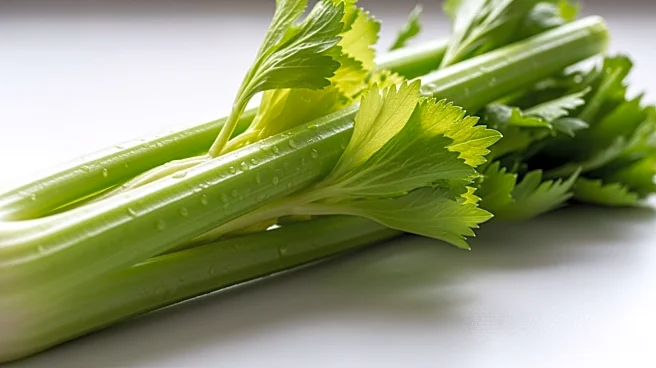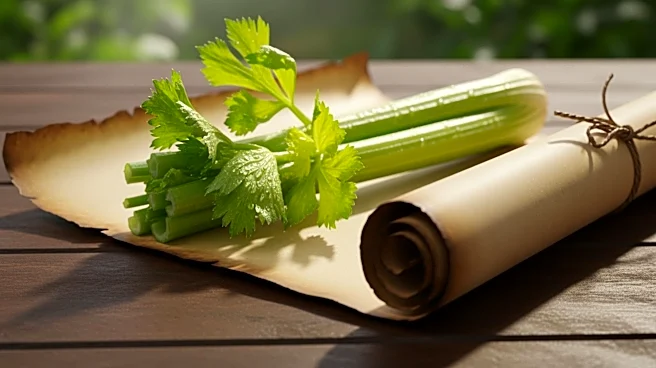




Celery, a vegetable from the Apiaceae family, has a rich history that dates back to ancient times. Known scientifically as Apium graveolens, celery has evolved through centuries of cultivation and selective breeding. This article delves into the historical journey of celery, highlighting its significance in various cultures and its development into the vegetable we know today.
Ancient Origins and Early Uses
Celery's history can be traced back to ancient civilizations, where it was
valued for both its culinary and medicinal properties. Literary evidence suggests that celery was cultivated in Ancient Greece, and it played a role in Egyptian funeral garlands. The plant was initially grown as a winter and early spring vegetable, serving as a cleansing traditional medicine to counter scurvy, a common ailment due to diets lacking fresh produce during winter months.
In classical antiquity, celery was not only a food source but also held symbolic significance. The Greeks used celery leaves as garlands for the dead, and winners of the Isthmian Games were crowned with celery wreaths. This association with death and victory highlights the cultural importance of celery in ancient societies.
Evolution Through Selective Breeding
Over the centuries, the wild species of celery underwent selective breeding, resulting in three primary cultivar groups: stalk celery, leaf celery, and celeriac. Stalk celery, known as the Dulce Group, is consumed for its fibrous edible stalks. Leaf celery, or the Secalinum Group, is grown for its aromatic leaves, while celeriac, the Rapaceum Group, is cultivated for its large, edible hypocotyl.
This evolution was driven by the desire to enhance certain characteristics, such as reducing bitterness and increasing sweetness. By the 19th century, the season for celery cultivation in England had been extended, allowing for a longer period of availability from September to April.
Modern Cultivation and Varieties
Today, celery is a staple in many cuisines around the world. In North America, commercial production is dominated by the 'Pascal' celery cultivar. Gardeners can choose from a range of cultivars, each offering unique traits, such as stouter leaf stems or self-blanching varieties that do not require earthing up.
Celery is commonly consumed raw in salads, cooked in soups and stews, or juiced. Its seeds are used as a spice or processed into celery salt, adding flavor to various dishes. Despite its widespread use, celery is among foods that may provoke allergic reactions, necessitating clear labeling in regions like the European Union.
The historical journey of celery reflects its transformation from a wild plant to a cultivated vegetable, showcasing its enduring significance across cultures and time.