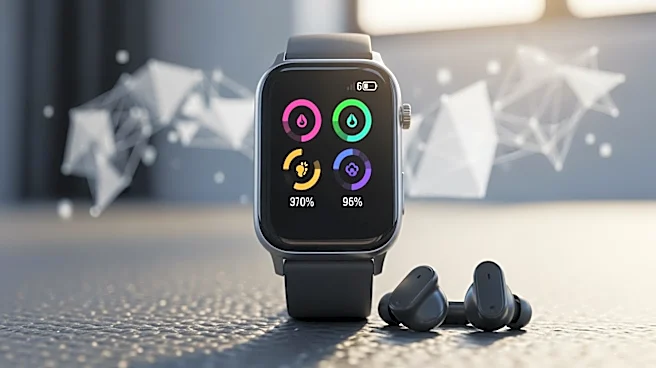









In recent years, technology and social media have become integral components of fitness culture, transforming how people engage with physical fitness. From wearable devices to online communities, these advancements have reshaped the landscape of fitness, making it more accessible and personalized. This article delves into the impact of technology and social media on modern fitness culture, highlighting the ways they have influenced exercise habits
and perceptions of fitness.
Technological Advancements
The 21st century has seen significant technological advancements that have revolutionized fitness culture. Devices such as pedometers, GPS trackers, and heart rate monitors have become commonplace, allowing individuals to track their physical activity with precision. These tools provide real-time feedback, enabling users to monitor their progress and set personalized fitness goals.
Smartphone apps have further enhanced the fitness experience by offering a wide range of features, from workout plans to nutrition tracking. These apps often include social features, allowing users to share their achievements and connect with others pursuing similar fitness goals. The integration of technology into fitness routines has made it easier for people to stay motivated and accountable, contributing to a more engaged and informed fitness community.
The Influence of Social Media
Social media platforms like Instagram and Facebook have played a pivotal role in shaping modern fitness culture. These platforms serve as hubs for fitness enthusiasts to share their journeys, exchange tips, and find inspiration. The rise of fitness influencers has created a new dynamic, where individuals can gain large followings by showcasing their fitness routines and transformations.
However, the influence of social media is not without its challenges. The portrayal of idealized body images can lead to unrealistic expectations and negative self-perception among viewers. While social media has democratized access to fitness information, it has also contributed to the pressure to conform to certain aesthetic standards. Despite these challenges, social media remains a powerful tool for fostering community and support within the fitness world.
The Future of Fitness Culture
As technology continues to evolve, its impact on fitness culture is likely to grow. Virtual reality and augmented reality are emerging as potential game-changers, offering immersive workout experiences that could redefine how people exercise. Additionally, the use of data analytics in competitive fitness formats is becoming more prevalent, providing athletes with detailed performance metrics to drive improvement.
The integration of technology and social media into fitness culture has made physical fitness more accessible and engaging for a broader audience. While challenges remain, the potential for innovation and growth in this area is vast, promising exciting developments for the future of fitness culture.