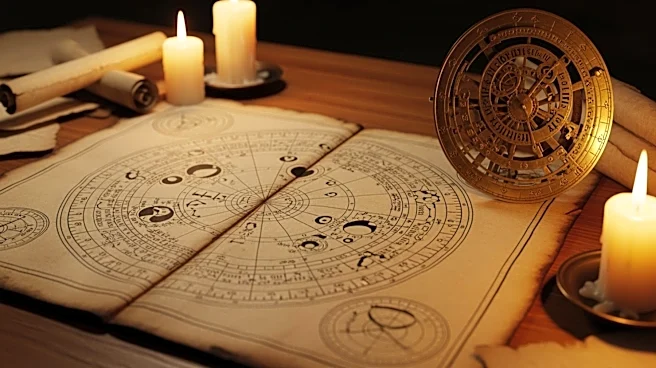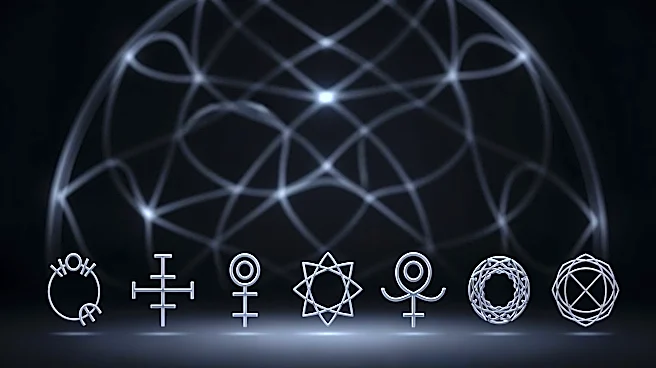

Astrological symbols have a rich history that traces back to ancient civilizations. These symbols, representing zodiac signs, planets, and other celestial bodies, have evolved significantly over the centuries.
From their origins in Greek and Babylonian cultures to their modern forms, astrological symbols have undergone various transformations, reflecting changes in cultural and scientific understanding.
Origins in Ancient Civilizations
The earliest astrological symbols can be traced back to Greek and Babylonian cultures. These ancient civilizations used symbols to represent the zodiac signs and planets, which were integral to their astrological practices. The Greeks, for instance, associated each zodiac sign with a specific symbol derived from their mythology and cultural beliefs. Similarly, the Babylonians had their own set of symbols that were used in their astrological charts.
In these early times, the symbols were not just used for astrology but also had connections to astronomy and alchemy. The symbols for the classical planets, such as Mercury, Venus, and Mars, were often linked to the gods they represented. This connection between astrology and mythology was a significant aspect of ancient astrological practices.
The Renaissance and Symbolic Transformation
The European Renaissance marked a period of significant transformation for astrological symbols. During this time, the symbols began to take on more standardized forms, influenced by the revival of classical knowledge and the development of new scientific ideas. The Renaissance saw the simplification of many symbols, making them more recognizable and easier to use in astrological charts.
For example, the modern symbol for the Sun, a circle with a dot in the center, first appeared during the Renaissance. This symbol, resembling the Egyptian hieroglyph for the sun, became widely adopted in astrological practices. Similarly, the symbols for the zodiac signs were refined and standardized, reflecting the growing interest in astrology during this period.
Modern Developments and New Discoveries
In the modern era, the discovery of new celestial bodies led to the creation of additional astrological symbols. The symbols for Uranus, Neptune, and Pluto were developed shortly after their discoveries, reflecting the expanding knowledge of the solar system. These new symbols were often inspired by the characteristics of the planets they represented, such as Neptune's trident symbol, which aligns with the god of the sea.
Astrological symbols continue to evolve as new celestial bodies are discovered and as astrology adapts to contemporary cultural contexts. The symbols remain a vital part of astrological practice, serving as a bridge between ancient traditions and modern interpretations. As astrology continues to grow and change, the symbols will likely undergo further transformations, reflecting the dynamic nature of this ancient practice.