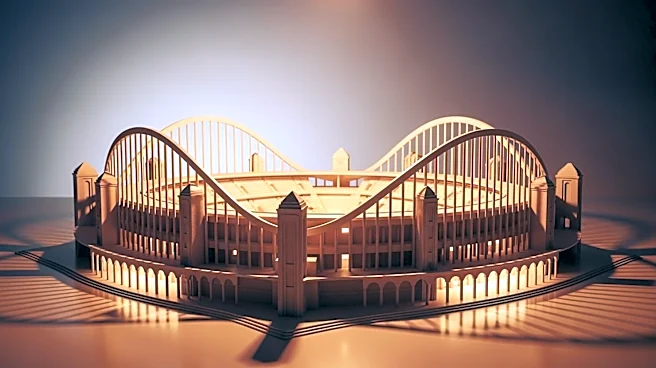




White City Stadium in London holds a special place in the history of sports and entertainment. Built for the 1908 Summer Olympics, it was a venue that not only hosted a variety of sports events but also became a cultural landmark. This article delves into the historical development of White City Stadium and its significance over the years.
The Birth of a Landmark
White City Stadium was officially opened by King Edward VII on April 27, 1908, specifically for the 1908 Summer
Olympics. The stadium, also known as the Great Stadium, had a seating capacity of 66,000. It was a monumental structure that played a crucial role in the Olympics, notably as the finishing line for the marathon race. The marathon's starting point was at Windsor Castle, creating a distance of 42.195 km to the stadium, a distance that was later adopted as the standard for marathon races.
After the Olympics, the stadium continued to serve as a venue for athletics until 1914. Its design and capacity made it a prime location for various sports and entertainment events, marking its place in London's cultural landscape.
Transition to Greyhound Racing and More
In 1927, White City Stadium was transformed into a greyhound racing track, a popular sport at the time. This transition marked a new era for the stadium, as it became a hub for greyhound racing enthusiasts. The stadium was not limited to just one sport; it also hosted Queens Park Rangers football club for short periods and was used for other sports events.
The stadium's versatility was further demonstrated in 1934 when it hosted the World's Championship Rodeo, featuring champion cowboys and cowgirls from Canada and the United States. This event highlighted the stadium's ability to adapt to different types of entertainment, drawing large crowds and adding to its historical significance.
The End of an Era
Despite its rich history, White City Stadium was eventually demolished in late 1984 to make way for the BBC White City building. The decision to demolish the stadium marked the end of an era, but its legacy lives on. The athletes of the 1908 Summer Olympics are commemorated with a list inscribed on the side of the BBC Broadcast Centre Building, and the athletics finish line is marked in the paving outside the building.
White City Stadium's historical significance is undeniable. From hosting the Olympics to being a center for greyhound racing and other sports, it played a vital role in London's cultural and sporting history. Its legacy continues to be remembered and celebrated, even after its physical presence has been replaced.