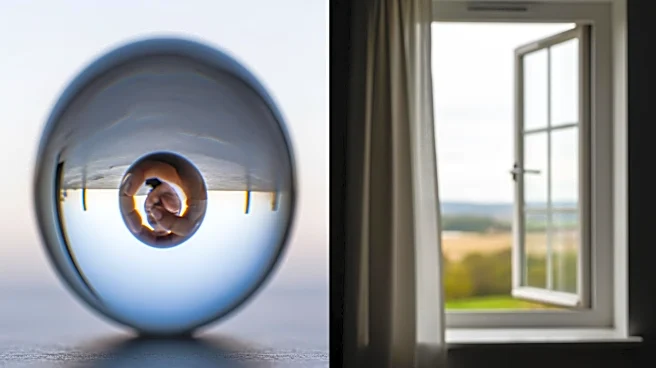








The actor-observer bias is a fascinating extension of the fundamental attribution error, highlighting the differences in how we perceive our own actions compared to those of others. This bias reveals a tendency to attribute our behavior to situational factors while attributing others' actions to their dispositions. Understanding this bias can provide valuable insights into human behavior and improve our interpersonal relationships.
The Nature of the Actor-Observer Bias
The actor-observer
bias is a cognitive bias that affects how we interpret behavior. It suggests that people tend to attribute their actions to external circumstances, while attributing others' actions to internal traits. This bias is closely related to the fundamental attribution error, which emphasizes dispositional explanations over situational ones.
For example, a student who performs poorly on an exam might blame the difficulty of the test or lack of preparation time, while others might attribute the poor performance to the student's lack of ability or effort. This discrepancy in attribution highlights the actor-observer bias, where individuals view their actions through the lens of situational factors but fail to extend the same consideration to others.
Factors Contributing to the Actor-Observer Bias
Several factors contribute to the actor-observer bias, including differences in perspective and information availability. When evaluating our behavior, we have access to a wealth of information about our intentions, motivations, and the context in which we act. This allows us to consider situational factors more readily.
In contrast, when observing others, we often lack this detailed information and rely on visible behavior to make judgments. This limited perspective can lead to an overemphasis on dispositional factors, as we are less aware of the external influences affecting the individual's actions.
Mitigating the Actor-Observer Bias
To reduce the impact of the actor-observer bias, it is essential to cultivate awareness and empathy in our evaluations of behavior. By actively considering situational factors and seeking additional context, we can develop a more balanced understanding of others' actions.
This involves questioning our initial assumptions and being open to alternative explanations for behavior. By acknowledging the complexity of human actions, we can foster more accurate and empathetic perceptions, ultimately improving our interpersonal relationships and communication.
In conclusion, the actor-observer bias is a significant cognitive bias that affects how we interpret behavior. By understanding its nature and contributing factors, we can work towards more accurate and empathetic assessments of others, enhancing our social interactions and relationships. Recognizing and addressing this bias can lead to more harmonious and effective communication, fostering better understanding and cooperation in our daily lives.