

Fisker Inc., founded in 2016, was not only known for its electric vehicles but also for its ambitious technological initiatives. The company explored various cutting-edge technologies, including nanotech and solid-state batteries, in an effort to revolutionize the automotive industry. This article delves into Fisker Inc.'s technological ventures, highlighting their goals and outcomes.
Nanotech Partnership
In 2016, Fisker Inc. teamed up with Nanotech Energy to create a joint
venture called Fisker Nanotech. The collaboration aimed to develop next-generation supercapacitor technology using graphene, a material known for its exceptional energy conducting and charging capabilities. The proposed hybrid battery using graphene supercapacitors promised improved cycle life, reducing the need for frequent battery replacements compared to traditional lithium-ion batteries.
Despite the promising potential of graphene technology, Fisker Inc. ended its joint venture with Nanotech Energy in July 2017. The decision marked the end of the company's pursuit of graphene-based batteries, as Fisker Inc. shifted its focus to other technological initiatives.
Solid-State Battery Research
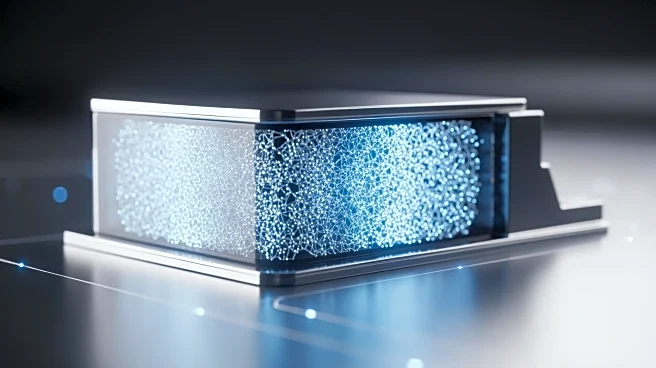
In November 2017, Fisker Inc. announced that it had filed patents on flexible solid-state battery designs, with the expectation of mass production around 2023. Solid-state batteries were touted for their greater energy density and faster charging times compared to lithium-ion batteries. Fisker's development team included Fabio Albano, a founder of Sakti3, a solid-state battery startup sold to Dyson in 2015.
Fisker Inc. showcased a prototype of the solid-state battery at the Consumer Electronics Show in January 2018, featuring 21700 NCM cells from LG Chem. The company received new funding through Caterpillar Venture Capital in October 2018 to further develop its solid-state battery technology. However, in 2021, Fisker Inc. abandoned its plans to use solid-state batteries, with Henrik Fisker stating that the company could not make the technology work successfully.
Impact and Legacy
Fisker Inc.'s technological ventures, while ambitious, ultimately faced challenges that prevented them from reaching fruition. The company's exploration of nanotech and solid-state batteries demonstrated its commitment to innovation and its desire to push the boundaries of automotive technology. However, the difficulties in developing these technologies highlight the complexities and risks associated with pioneering new advancements.
Fisker Inc.'s efforts in the realm of technology serve as a reminder of the importance of adaptability and resilience in the face of challenges. While the company may not have achieved its technological goals, its ventures contributed to the ongoing dialogue and research in the field of advanced automotive technologies.