






Fish is a versatile food that is enjoyed in various forms across the globe. Different cultures have developed unique ways of incorporating fish into their diets, reflecting local traditions, available resources, and culinary preferences. This article delves into the cultural variations in fish consumption and the diverse culinary practices associated with it.
Fish in Culinary Traditions
Fish is a staple in many culinary traditions, with each culture bringing its own flavors and
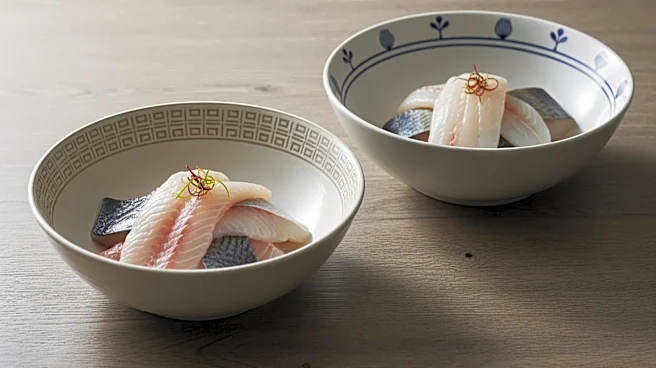
techniques to the table. In Japan, for example, fish is often consumed raw in the form of sushi and sashimi, highlighting the freshness and quality of the seafood. The Japanese also use fish in soups and broths, adding depth and umami to their dishes.
In contrast, Mediterranean cultures often grill or bake fish, emphasizing the natural flavors with simple seasonings like olive oil, lemon, and herbs. This approach not only enhances the taste but also preserves the nutritional value of the fish. In Scandinavian countries, fish is frequently smoked or pickled, a method that dates back to ancient times when preservation was essential for survival during long winters.
Regional Preferences and Practices
Regional preferences for certain types of fish are influenced by local availability and historical practices. In North America, salmon and cod are popular choices, often prepared by grilling, baking, or frying. In the southern United States, catfish is a common dish, typically breaded and fried, reflecting the region's culinary heritage.
In Southeast Asia, fish is often incorporated into spicy curries and stews, with coconut milk and a variety of spices enhancing the flavors. Fish sauce, a fermented condiment made from fish, is a staple in many Southeast Asian cuisines, adding a salty and savory depth to dishes.
The Role of Fish in Cultural Identity
Fish consumption is not just about nutrition; it is also deeply tied to cultural identity and tradition. In many coastal communities, fishing is a way of life, and fish dishes are central to cultural celebrations and rituals. For example, in some Indigenous cultures, fish is considered a sacred food, and its preparation and consumption are accompanied by traditional ceremonies.
The cultural significance of fish is also evident in religious practices. In Christianity, fish is often consumed during Lent as a substitute for meat, reflecting historical dietary restrictions. Similarly, in some Islamic cultures, fish is favored for its perceived purity and is often included in religious feasts.
Overall, the cultural variations in fish consumption highlight the adaptability and significance of fish as a food source. Whether grilled, smoked, or served raw, fish continues to be a vital part of culinary traditions around the world.