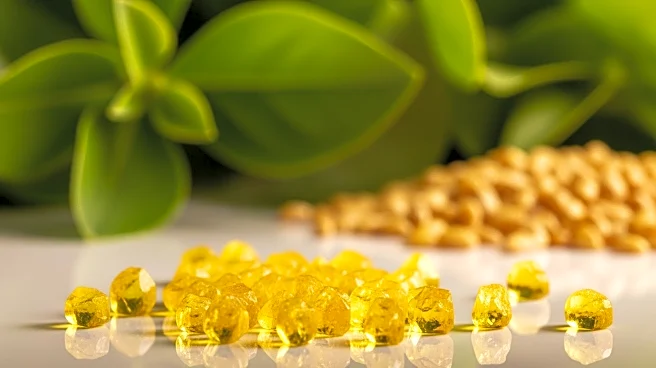




Riboflavin, or vitamin B2, is a vital nutrient found in various foods and is also produced industrially for use in supplements and food fortification. This article explores the natural sources of riboflavin, its biosynthesis in nature, and the industrial methods used to produce it on a large scale. Additionally, we will look at the applications of riboflavin in food and medicine.
Natural Sources and Biosynthesis
Riboflavin is naturally present in a wide range of foods, making it accessible
through a balanced diet. It is abundant in animal products such as meat, fish, eggs, and dairy, as well as in plant-based foods like green vegetables, mushrooms, and almonds. These diverse sources ensure that most people can meet their riboflavin needs through their regular diet.
In nature, riboflavin is synthesized by bacteria, fungi, and plants, but not by animals. The biosynthesis process involves several steps, starting with ribulose 5-phosphate and guanosine triphosphate. These compounds undergo a series of transformations, ultimately leading to the production of riboflavin. This natural synthesis is crucial for the availability of riboflavin in the food chain, as animals, including humans, must obtain it from dietary sources.
Industrial Production Methods
The industrial production of riboflavin has evolved significantly over the years. Initially, riboflavin was produced through chemical synthesis, but this method has largely been replaced by more efficient fermentation processes. Today, riboflavin is commercially manufactured using strains of fungi and genetically modified bacteria, such as Bacillus subtilis and Ashbya gossypii.
These microorganisms are cultivated in controlled environments where they produce riboflavin as a byproduct of their metabolic processes. The fermentation method is not only more sustainable but also cost-effective, allowing for the large-scale production of riboflavin for use in dietary supplements and food fortification. This industrial synthesis ensures a steady supply of riboflavin to meet global demand.
Applications in Food and Medicine
Riboflavin's applications extend beyond its role as a vitamin. It is used as a food coloring agent, imparting a yellow-orange hue to various products. In Europe, it is designated as E101 when used as a food additive. This application takes advantage of riboflavin's natural color and its safety as a food ingredient.
In medicine, riboflavin is used to treat certain conditions, such as corneal thinning and migraine prevention. Its role in these treatments highlights its importance beyond basic nutrition. Additionally, riboflavin is used in pathogen reduction technologies, where it is combined with UV light to inactivate pathogens in blood products, enhancing the safety of blood transfusions.
Overall, riboflavin's natural occurrence and industrial production make it a versatile and essential nutrient with a wide range of applications in both food and medicine.