




San Siro, officially known as Stadio Giuseppe Meazza, is not only a historic football stadium but also an architectural marvel. During the 1990 FIFA World Cup, San Siro underwent significant renovations to accommodate the influx of international fans and meet the demands of a world-class sporting event. This article explores the architectural features and enhancements made to San Siro for the tournament.
Renovations for the World Cup
In preparation for the 1990 FIFA World Cup,
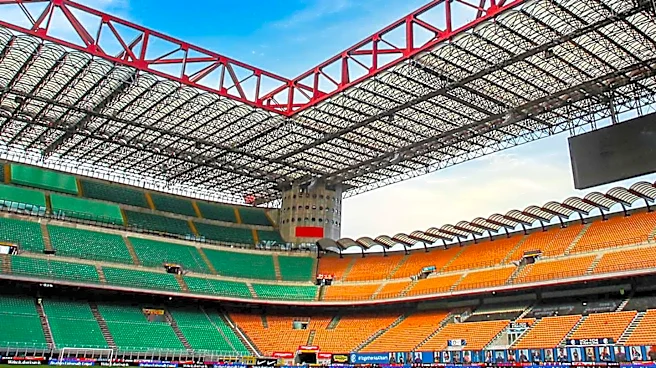
San Siro underwent extensive renovations to improve its facilities and increase its capacity. The most notable change was the addition of a third tier, which expanded the stadium's seating capacity to 75,817. This expansion allowed more fans to experience the excitement of the World Cup matches in person.
The renovations also included the construction of eleven support towers, which were strategically placed to support the new roof. These towers featured helical ramps, providing easy access to the upper tiers for spectators. The new roof, with its distinctive red girders, not only provided shelter but also added to the stadium's iconic appearance.
Architectural Design and Features
San Siro's architectural design is characterized by its impressive structure and functionality. The stadium's design took inspiration from English football stadiums, featuring four separated stands that were later connected to form a cohesive structure. This design allowed for excellent sightlines and an intimate viewing experience for fans.
The addition of the third tier and the new roof were carefully integrated into the existing structure, maintaining the stadium's aesthetic appeal while enhancing its functionality. The renovations ensured that San Siro met the standards required for hosting a prestigious event like the FIFA World Cup, while also preserving its historic charm.
Legacy of the Renovations
The renovations made to San Siro for the 1990 FIFA World Cup left a lasting legacy on the stadium and the city of Milan. The improvements not only benefited the tournament but also positioned San Siro as a premier venue for future international events. The stadium's enhanced capacity and modern facilities have allowed it to continue hosting major football matches and other events.
San Siro's architectural significance and the successful renovations for the 1990 World Cup have cemented its status as one of the most iconic stadiums in the world. The stadium remains a symbol of football excellence and a testament to the importance of thoughtful architectural design in creating memorable sporting experiences. The legacy of the 1990 World Cup lives on, with San Siro continuing to be a cherished venue for fans and players alike.