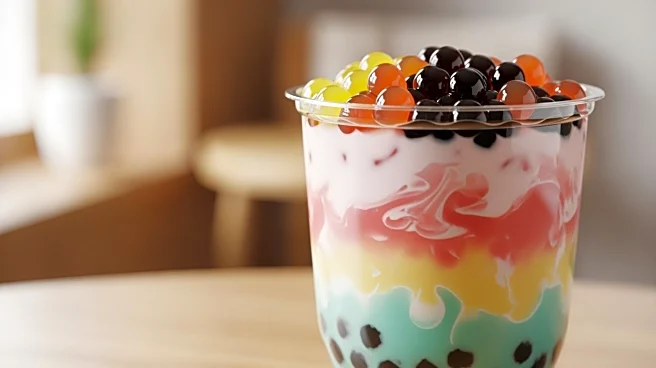


Bubble tea, originating from Taiwan in the 1980s, has become a cultural icon both in its home country and around the world. Known for its unique combination of tea, milk, and chewy tapioca pearls, bubble tea has transcended its origins to become a global phenomenon. Its journey from a local Taiwanese drink to an international favorite highlights its cultural significance and widespread appeal.
The Birth of a Taiwanese Tradition
Bubble tea was invented in Taiwan during the 1980s, a time
when the country was experiencing rapid economic growth and cultural change. The drink quickly became popular among young people, who were drawn to its innovative combination of flavors and textures. The original bubble tea consisted of hot Taiwanese black tea, tapioca pearls, condensed milk, and syrup or honey.
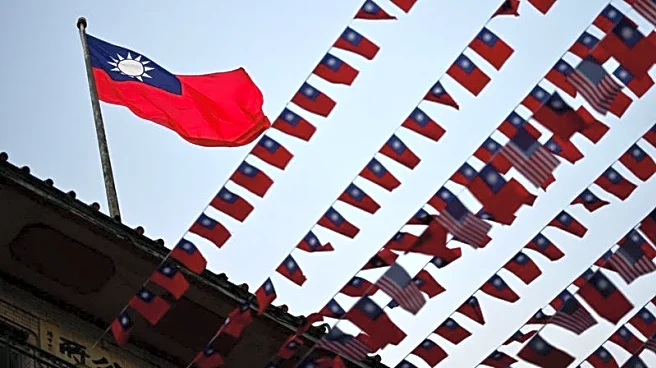
In Taiwan, bubble tea is more than just a beverage; it is a symbol of the country's culinary creativity and cultural identity. The drink has become an integral part of Taiwanese culture, with bubble tea shops found on nearly every street corner. In 2020, Taiwan even declared April 30th as National Bubble Tea Day, further cementing its status as a national icon.
Global Expansion and Influence
The popularity of bubble tea quickly spread beyond Taiwan, reaching other parts of East and Southeast Asia in the 1990s. Countries like Hong Kong, mainland China, Japan, and Singapore embraced the drink, leading to the opening of numerous bubble tea shops. The drink's appeal continued to grow, eventually reaching the United States, Europe, and other regions.
Bubble tea's global expansion has been driven by its adaptability and the rise of international chains. Brands like Chatime, CoCo Fresh Tea & Juice, and Gong Cha have played a significant role in introducing bubble tea to new markets. These chains have adapted the drink to suit local tastes, offering a variety of flavors and toppings to cater to diverse preferences.
A Symbol of Cultural Exchange
Bubble tea's journey from Taiwan to the world is a testament to the power of cultural exchange. The drink has become a symbol of globalization, representing the blending of traditions and the sharing of culinary innovations. Its popularity has also sparked a wave of bubble tea-inspired products, from ice cream to candy, further highlighting its cultural impact.
As bubble tea continues to gain popularity, it remains a beloved symbol of Taiwanese culture and a testament to the country's influence on the global stage. Its success story is a reminder of the power of food and drink to bring people together, transcending borders and creating connections across cultures.