

Cake mixing techniques have evolved significantly over the centuries, reflecting changes in technology, ingredients, and culinary preferences. From the early days of simple bread-like cakes to the sophisticated confections we enjoy today, the methods used to mix cake ingredients have played a crucial role in shaping the texture and flavor of these beloved desserts. This article delves into the historical development of cake mixing techniques, highlighting
key milestones and transformations.
Early Cake Mixing Methods
In the early days, cakes were not much different from bread. The primary distinction lay in their shape and cooking method. Cakes were round and flat, often turned over during cooking, unlike bread, which remained upright. The mixing techniques were rudimentary, relying heavily on manual labor to combine ingredients. The introduction of beaten eggs during the Renaissance marked a significant shift, particularly with the emergence of sponge cakes. These cakes, leavened with beaten eggs, were a departure from the yeast-leavened breads and cakes of the past.
The Renaissance period saw the rise of sponge cakes, possibly originating in Spain. This method relied on the aeration provided by beaten eggs, which was a labor-intensive process requiring skill and patience. The technique allowed for lighter, airier cakes, setting the stage for further innovations in cake mixing.
The Impact of Chemical Leavening Agents
The 19th century brought about a revolution in cake mixing with the invention of chemical leavening agents like baking powder and baking soda. These innovations allowed for the creation of lighter, fluffier cakes without the need for extensive manual labor. The creaming method, which involves beating butter and sugar together until fluffy, became popular during this time. This technique incorporated air into the batter, further enhancing the cake's texture.
The introduction of chemical leaveners also made cake baking more accessible to the average home cook. No longer reliant on the skillful beating of eggs, bakers could achieve consistent results with less effort. This democratization of cake baking contributed to the widespread popularity of cakes in the United States and beyond.
Modern Cake Mixing Techniques
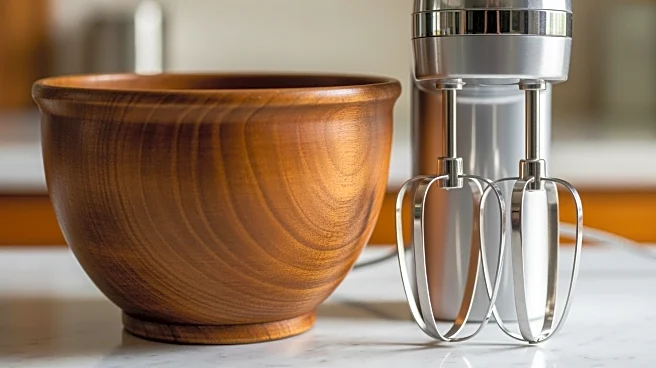
Today, cake mixing techniques continue to evolve, influenced by advancements in kitchen technology and changing consumer preferences. Electric mixers have replaced manual labor, making it easier to achieve the desired consistency and texture. The creaming method remains a staple in cake baking, but other techniques, such as the sponge method, which relies on beaten eggs for aeration, are also widely used.
The variety of cake mixing techniques available today allows bakers to experiment with different textures and flavors, catering to diverse tastes and dietary needs. Whether using traditional methods or modern innovations, the art of cake mixing continues to be a dynamic and integral part of the culinary world.