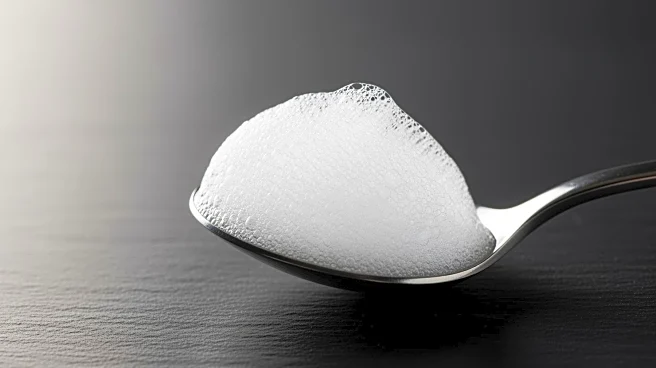



Foam has become a popular element in modern culinary arts, offering chefs a unique way to enhance flavors and textures in their dishes. From whipped cream to molecular gastronomy, foam is used to create light, airy textures that add a new dimension to food. This article explores the role of foam in cooking, its historical uses, and its impact on contemporary culinary techniques.
Historical Uses of Foam in Cooking
Foam has been used in cooking for centuries, with traditional examples
including whipped cream, meringue, and mousse. These culinary foams are created by incorporating air into a liquid or solid, resulting in a lighter texture and different mouthfeel. The process of creating foam involves whipping or shaking a protein solution, which forms a thin film at the gas-liquid interface, allowing gas bubbles to be incorporated and stabilized.
In these traditional applications, proteins serve as the main surface-active agents that help stabilize the foam. The unique texture of these foams has made them a staple in desserts and other dishes, providing a light and airy component that enhances the overall dining experience.
Molecular Gastronomy and Foam
In recent years, foam has become a key element in molecular gastronomy, a culinary movement that uses scientific techniques to transform food. Chefs use natural flavors mixed with gelling or stabilizing agents like agar or lecithin to create foams with a hand-held immersion blender or whipped cream canister. This allows for the creation of innovative dishes with flavors such as foamed espresso, mushroom, beet, and coconut.
The use of foam in molecular gastronomy allows chefs to integrate new flavors without altering the physical composition of a dish. This technique has expanded the possibilities in culinary arts, enabling chefs to experiment with textures and flavors in ways that were previously unimaginable.
The Impact of Foam on Culinary Techniques
Foam has revolutionized culinary techniques by providing a method to add flavor without significant substance. This has allowed chefs to create dishes that are both visually appealing and flavorful, without being heavy or dense. The ability to create stable foams with surfactants like lecithin or monoglycerides has further enhanced the versatility of foam in cooking.
Foam's impact on culinary arts is evident in the creativity and innovation it has inspired among chefs. By understanding the science behind foam formation and stabilization, chefs can continue to push the boundaries of culinary arts, creating dishes that delight and surprise diners.