



Austria's tourism industry is characterized by distinct seasonal patterns, with peaks in both summer and winter. These seasonal trends not only influence the types of activities available to tourists but also have significant implications for the country's economy. Understanding these patterns provides insight into how Austria manages its tourism sector and adapts to changing visitor preferences.
Summer Tourism: A Growing Trend
In recent years, summer tourism in Austria has seen
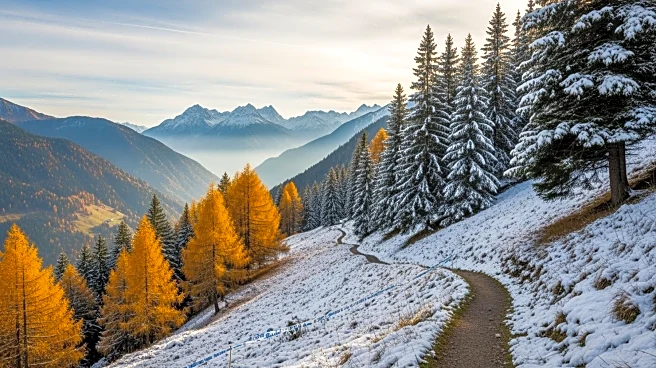
a notable increase, with the number of tourist overnight stays during the summer season surpassing those in the winter. This shift reflects a growing interest in Austria's summer attractions, which include hiking, mountaineering, and cultural festivals. The country's diverse landscapes, from the rolling hills of the Danube Valley to the majestic peaks of the Alps, offer a wide range of outdoor activities for visitors.
The rise in summer tourism is also supported by Austria's cultural offerings, such as the Salzburg Festival and various music events in Vienna. These cultural attractions draw visitors who are interested in experiencing Austria's rich artistic heritage. The combination of natural beauty and cultural events makes Austria an appealing destination for summer travelers, contributing to the overall growth of the tourism sector.
Winter Tourism: A Traditional Favorite
Despite the rise in summer tourism, winter remains a popular season for visitors to Austria, particularly for those interested in winter sports. The country's renowned ski resorts, such as Ski Arlberg and Sankt Anton am Arlberg, attract skiers and snowboarders from around the world. These resorts offer a mix of challenging slopes and stunning alpine scenery, making them ideal destinations for winter sports enthusiasts.
Austria's winter tourism is not limited to skiing and snowboarding. The country's Christmas markets, particularly those in Vienna and Salzburg, are a major draw for tourists seeking a festive holiday experience. These markets offer a unique blend of traditional crafts, seasonal foods, and holiday cheer, adding to the appeal of Austria as a winter destination.
Balancing Seasonal Tourism
The distinct seasonal patterns of tourism in Austria present both opportunities and challenges for the country's tourism industry. On one hand, the dual-season appeal ensures a steady flow of visitors throughout the year, supporting local economies and businesses. On the other hand, managing the fluctuations in tourist numbers requires careful planning and resource allocation.
Austria's ability to balance its seasonal tourism trends is a testament to its adaptability and strategic planning. By offering a diverse range of attractions and activities, the country can cater to different types of travelers and maintain its status as a top tourist destination. This balance not only supports economic growth but also enhances the overall visitor experience, ensuring that Austria remains a favorite among tourists year-round.