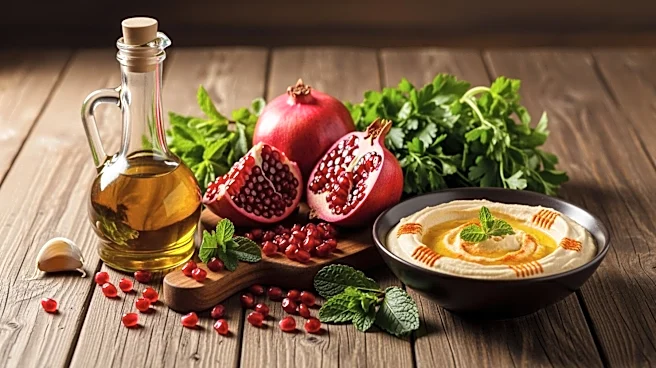



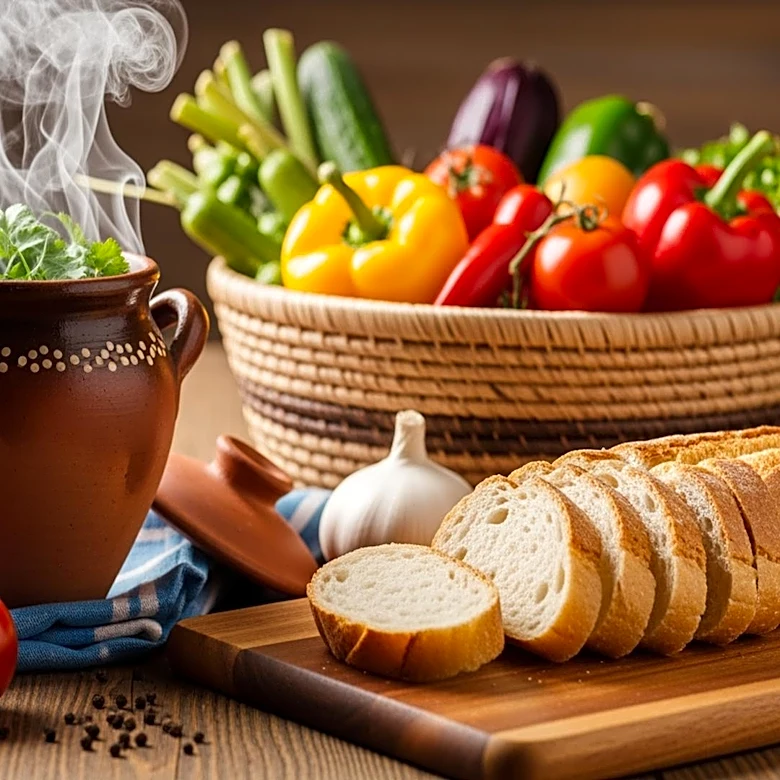



Israeli cuisine is a fascinating blend of Middle Eastern, Mediterranean, and Jewish culinary traditions. This unique fusion reflects the diverse cultural identity of Israel, a nation shaped by waves of immigration and historical influences. The cuisine is not just about food; it is a symbol of national identity and cultural expression. From the popular dishes like hummus and falafel to the traditional Israeli breakfast, the food of Israel tells a story
of cultural integration and adaptation.
A Melting Pot of Culinary Traditions
Israeli cuisine is a true melting pot, incorporating elements from various culinary traditions brought by Jewish immigrants from around the world. After the establishment of the State of Israel in 1948, Jews from North Africa, the Middle East, and Europe brought their unique culinary practices to the region. This resulted in a rich tapestry of flavors and dishes that are now considered quintessentially Israeli. For instance, the use of local ingredients like olives, olive oil, and citrus fruits is a common thread that ties these diverse culinary influences together.
The integration of Palestinian and other Arab cuisines into Israeli food culture is also significant. Dishes such as hummus, falafel, and shakshuka, which have roots in Palestinian and broader Middle Eastern cuisine, have been embraced and adapted by Israelis. This blending of culinary traditions is not without controversy, as it raises questions about cultural appropriation and the recognition of Palestinian contributions to what is now considered Israeli cuisine.
The Role of Food in National Identity
Food plays a crucial role in shaping and expressing national identity in Israel. The adoption of Middle Eastern foods like hummus and falafel as national dishes is a reflection of Israel's desire to connect with the region's cultural heritage. These dishes have become symbols of Israeli identity, representing a connection to the land and its history. The choice of these foods as markers of identity can be seen as an effort by Israelis to establish a sense of belonging in the Middle East.
However, this process of culinary integration is complex and often contentious. Critics argue that the appropriation of Palestinian dishes without acknowledging their origins erases Palestinian cultural contributions. This debate highlights the broader political and cultural tensions between Israelis and Palestinians, where food becomes a proxy for larger issues of identity and legitimacy.
The Israeli Breakfast: A Culinary Tradition
One of the most distinctive aspects of Israeli cuisine is the traditional Israeli breakfast. Originating from the communal dining practices of kibbutzim, the Israeli breakfast is a hearty meal that includes a variety of fresh vegetables, salads, cheeses, eggs, and breads. This meal reflects the agricultural roots of Israeli society and the importance of communal living in the early days of the state.
The Israeli breakfast is not just a meal; it is a cultural institution that embodies the values of abundance, hospitality, and community. It is a time for families and friends to gather and enjoy a leisurely meal together, reinforcing social bonds and cultural traditions. The popularity of the Israeli breakfast in hotels and restaurants across the country underscores its significance as a symbol of Israeli culinary identity.
In conclusion, Israeli cuisine is a rich and complex tapestry that reflects the country's diverse cultural heritage and national identity. Through the blending of various culinary traditions, Israeli food tells a story of adaptation, integration, and cultural expression. Despite the controversies surrounding cultural appropriation, the cuisine remains a powerful symbol of Israel's unique place in the Middle East.