





Kale, a member of the cabbage family, is celebrated for its nutritional benefits and versatility in the kitchen. However, what truly sets kale apart is its diverse range of cultivars, each with unique characteristics and flavors. This article delves into the colorful world of kale varieties, exploring their distinct appearances and culinary uses.
Curly and Bumpy-Leaf Varieties
Among the most popular kale varieties are the curly-leaf and bumpy-leaf types. Curly kale, also known as
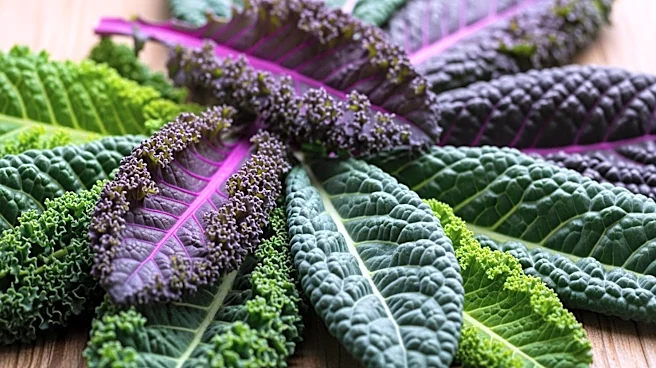
Scots kale or blue curled kale, is characterized by its tightly curled leaves and robust texture. This variety is often used in salads and soups, providing a hearty and slightly bitter flavor that complements a range of dishes.
Bumpy-leaf kale, commonly referred to as cavolo nero or Tuscan kale, is known for its dark, embossed leaves. This variety is often called dinosaur kale due to its unique appearance, reminiscent of prehistoric flora. Tuscan kale is prized for its slightly sweeter and more delicate taste, making it a favorite in Italian cuisine, particularly in soups like ribollita.
Plain-Leaf and Ornamental Kale
Plain-leaf kale varieties, such as red Russian and white Russian kale, offer a milder flavor and tender texture. These types are often used in salads and stir-fries, providing a subtle backdrop for more robust ingredients. The leaf and spear variety, a cross between curly and plain-leaf kale, offers a feathery texture that adds visual interest to dishes.
Ornamental kale, while less palatable, is grown primarily for its vibrant colors and decorative appeal. With leaves ranging from white and pink to lavender and violet, ornamental kale is often used in garden displays and floral arrangements. Despite its tough texture, ornamental kale is edible and can be used in culinary applications, though it may require additional preparation.
Regional Varieties and Uses
Kale's adaptability has led to the development of regional varieties, each with unique characteristics. In Portugal, the bumpy-leaved kale is known as "couve galega" and is a staple in traditional dishes. Jersey kale, an extra-tall variety, is grown for its impressive height and used in agricultural practices.
Chinese kale, or kai-lan, is a popular ingredient in Asian cuisine, known for its tender leaves and mild flavor. These regional varieties highlight kale's versatility and ability to thrive in diverse climates and culinary traditions.