



Physical fitness played a crucial role in ancient civilizations, particularly in Greece and Rome, where it was deeply integrated into cultural and military practices. These societies recognized the importance of physical prowess, not only for personal health but also for societal strength and military success. This article delves into how these ancient cultures valued and practiced physical fitness.
Physical Fitness in Ancient Greece
In ancient Greece, physical fitness was a cornerstone
of society, with athletes widely practicing various forms of exercise. The Greeks believed that a strong body was essential for a strong mind, and this philosophy was reflected in their emphasis on physical training. Athletic competitions, such as the original Olympic Games, were highly celebrated events that showcased the physical abilities of participants.
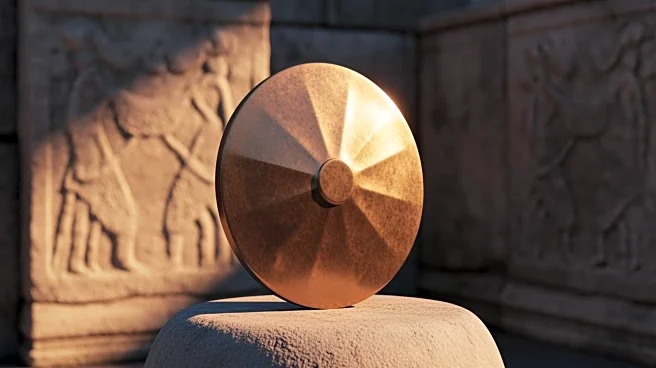
Greek athletes engaged in a variety of exercises, including running, jumping, wrestling, and throwing heavy stones. These activities were not only for competition but also for personal development and health. The Greeks valued a well-developed physique, as evidenced by their art and sculpture, which often depicted athletes with muscular and proportionate bodies.
Roman Military Training and Fitness
In ancient Rome, physical fitness was closely tied to military training. The Romans understood that a physically fit army was crucial for their military success and expansion. Soldiers underwent rigorous training that included exercises such as running, marching, and weapon handling. Training with weapons that were double the weight of ordinary ones was common, preparing soldiers for the physical demands of battle.
Roman military training emphasized endurance, strength, and agility, qualities that were essential for soldiers in combat. The focus on physical fitness extended beyond the military, as public games and competitions were popular forms of entertainment and socialization. These events reinforced the cultural importance of physical prowess and athleticism.
Cultural Significance and Legacy
The emphasis on physical fitness in ancient Greece and Rome left a lasting legacy that continues to influence modern fitness practices. The Greeks' holistic approach to fitness, which combined physical, mental, and emotional well-being, is echoed in today's fitness culture. Similarly, the Romans' focus on endurance and strength training is reflected in modern military and athletic training programs.
The integration of physical fitness into the culture and military practices of ancient civilizations highlights its enduring importance. These societies recognized that physical fitness was not only beneficial for individual health but also essential for societal strength and success. The legacy of ancient fitness practices continues to shape our understanding and appreciation of physical fitness today.