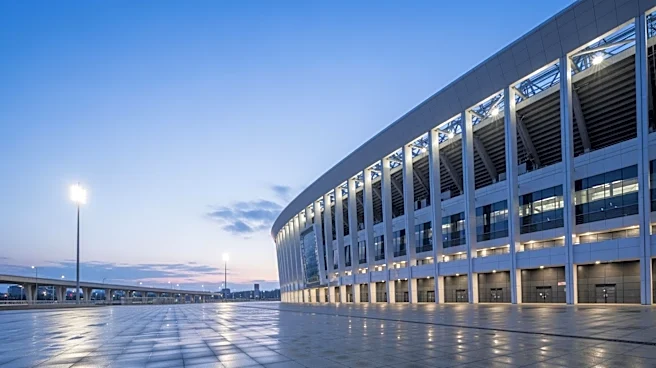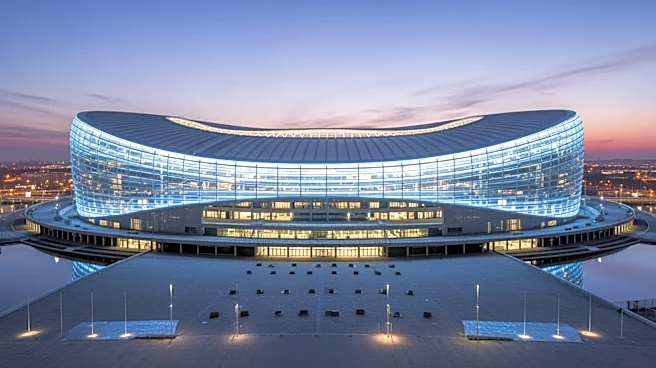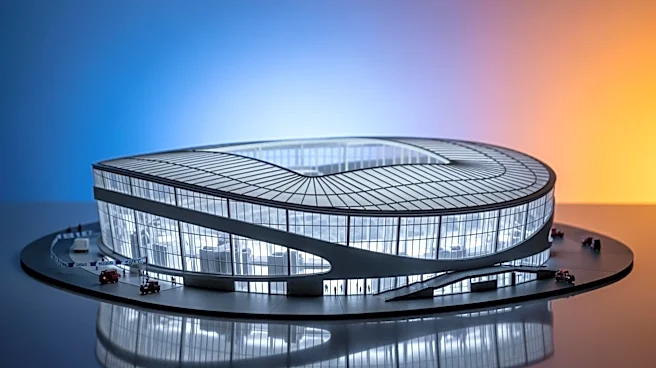








The MHPArena, located in Stuttgart, Germany, has undergone significant transformations since its inception. Originally built between 1929 and 1933, the stadium has been a central hub for sports and events in the region. Over the decades, it has seen numerous renovations and name changes, reflecting both its historical significance and modern advancements. This article delves into the evolution of the MHPArena, highlighting key milestones and changes that
have shaped its current form.
Early Beginnings and Name Changes
The stadium was initially known as the Stuttgarter Kampfbahn, designed by architects Paul Bonatz and Friedrich Scholer. Shortly after its construction, it was renamed Adolf-Hitler-Kampfbahn, a reflection of the political climate of the time. Following World War II, the stadium was briefly called Century Stadium and later Kampfbahn, serving as a venue for U.S. troops to play baseball.
In 1949, the name Neckarstadion was adopted, inspired by the nearby Neckar River. This name remained until 1993 when it was changed to Gottlieb-Daimler-Stadion, honoring the inventor who tested early automobiles in the area. The dedication to Daimler was significant, as it marked a connection to the region's automotive heritage.
Modern Renovations and Sponsorship
The late 1980s and early 1990s saw major refurbishments, partly financed by Daimler-Benz. These renovations included the addition of a fabric roof designed by Schlaich Bergermann Partner, enhancing the stadium's aesthetic and functional appeal. The roof, made of durable PVC-coated polyester, was a notable advancement, capable of withstanding significant weight.
In 2008, the stadium was renamed Mercedes-Benz Arena, aligning with the automotive giant's sponsorship. This change coincided with further redevelopment into a football-specific venue, completed in 2011. The renovations included lowering the pitch level and expanding the seating capacity, reflecting the growing demand for modern sports facilities.
Recent Developments and Future Prospects
In 2023, the stadium underwent another name change to MHPArena, marking a new era in its history. This change was part of ongoing efforts to maintain the stadium's relevance and appeal in the competitive sports landscape. The MHPArena continues to host major events, including the UEFA Euro 2024, showcasing its capacity to adapt and thrive.
The stadium's evolution is a testament to its resilience and significance in Stuttgart's cultural and sporting life. As it continues to host international tournaments and local events, the MHPArena remains a symbol of innovation and tradition, bridging the past with the future.