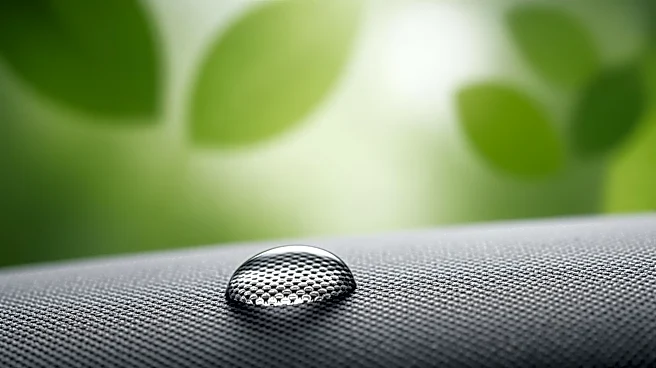




Gore-Tex, the renowned waterproof and breathable fabric, has faced several environmental and legal challenges over the years. While its innovative properties have made it a staple in outdoor gear, the production and use of Gore-Tex have raised concerns about environmental impact and patent disputes. This article examines these challenges and the steps taken to address them.
Environmental Concerns
The production of Gore-Tex involves the use of polytetrafluoroethylene (PTFE),
a fluoropolymer that has raised environmental concerns. PTFE is made using an emulsion polymerization process that utilizes the fluorosurfactant PFOA, a persistent environmental contaminant. The International Agency for Research on Cancer has classified PFOA as carcinogenic to humans, prompting scrutiny of Gore-Tex's manufacturing practices.
In response to these concerns, Gore pledged in 2017 to eliminate PFCs such as PFOA by 2023. While the core technology will continue to be based on PTFE, the company has introduced products marketed as "Gore PFC EC Free DWR," which lack oil repellency but address environmental issues. From 2024 onwards, Gore plans to replace the ePTFE membrane with an expanded polyethylene (ePE) membrane in consumer fabrics.
Legal Battles and Patent Disputes
Gore-Tex's journey has been marked by legal battles over patent rights. In the 1970s, Garlock, Inc. allegedly infringed Gore's patents, leading to a lawsuit that established Gore as the legal inventor of ePTFE. However, in 1990, a patent dispute with IMPRA, Inc. resulted in the invalidation of Gore's product patent, allowing competitors to enter the market.
These legal challenges have not deterred Gore's progress. The company has continued to innovate and expand its product offerings, despite facing lawsuits and patent disputes. In 2015, Gore was ordered to pay Bard $1 billion in damages, a decision upheld by the U.S. Supreme Court.
Addressing Future Challenges
As Gore-Tex moves forward, the company remains committed to addressing environmental and legal challenges. The transition to ePE membranes represents a significant step towards reducing environmental impact, although it may require more frequent washing and incur higher costs.
Gore's dedication to innovation and sustainability is evident in its ongoing efforts to improve manufacturing processes and product offerings. By tackling these challenges head-on, Gore-Tex continues to evolve, maintaining its position as a leader in waterproof and breathable fabrics.