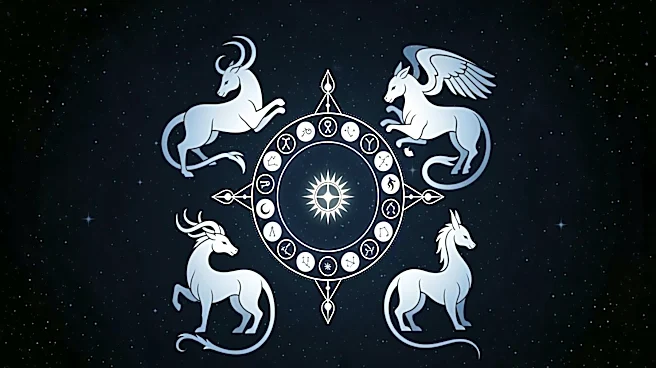







In the realm of Chinese astronomy, the Twenty-Eight Mansions are intricately linked to the Four Symbols, each representing a cardinal direction and a mythical creature. These symbols not only organize the mansions but also imbue them with cultural and mythological significance. This article delves into the Four Symbols and their connection to the Twenty-Eight Mansions, highlighting their importance in Chinese celestial traditions.
The Four Symbols: Mythical Guardians of the Sky
The Four Symbols
are central to the structure of the Twenty-Eight Mansions, each symbolizing a direction and a mythical creature. The Azure Dragon of the East, the Black Tortoise of the North, the White Tiger of the West, and the Vermilion Bird of the South each preside over seven mansions. These creatures are not merely decorative; they are deeply embedded in Chinese mythology and represent various aspects of nature and the cosmos.
The Azure Dragon, for instance, is associated with spring and the element of wood, symbolizing growth and renewal. The Black Tortoise, often depicted with a snake, represents winter and the element of water, embodying endurance and wisdom. The White Tiger is linked to autumn and the element of metal, signifying strength and courage. Lastly, the Vermilion Bird, associated with summer and the element of fire, represents passion and transformation.
Organizing the Sky: The Role of the Four Symbols
The Four Symbols serve as a framework for organizing the Twenty-Eight Mansions, each symbol encompassing a specific set of mansions. This organization reflects the Moon's path across the sky, with each mansion marking a segment of the lunar orbit. The mansions are not only astronomical markers but also hold astrological significance, influencing fortune-telling and other cultural practices.
In Taoism, the mansions are associated with 28 Chinese generals, further emphasizing their cultural importance. This connection between the mansions and the Four Symbols illustrates the integration of mythology, astronomy, and astrology in Chinese tradition. The symbols provide a narrative structure that enriches the understanding of the mansions and their role in the celestial sphere.
The Four Symbols in a Broader Context
The concept of the Four Symbols extends beyond Chinese astronomy, influencing other East Asian cultures. In Japan, for example, the symbols are recognized and incorporated into various cultural practices. This cross-cultural presence highlights the enduring legacy of the Four Symbols and their role in shaping the understanding of the night sky.
The Four Symbols and the Twenty-Eight Mansions together form a comprehensive system that reflects the complexity and richness of Chinese celestial traditions. By exploring these symbols, we gain insight into the ways ancient cultures sought to interpret the cosmos and integrate these interpretations into their cultural and spiritual lives.