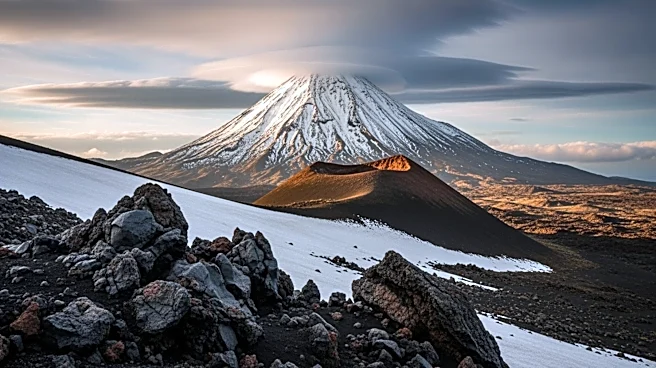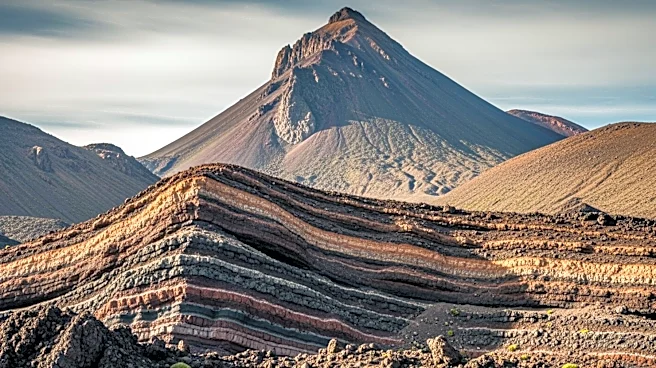

Lassen Peak, a prominent feature in Northern California, is a fascinating example of geological evolution. As part of the Cascade Range, it stands as a testament to the dynamic processes that shape our
planet. This article delves into the geological history of Lassen Peak, exploring its formation, the forces that have shaped it, and its place within the broader context of the Cascade Volcanic Arc.
Formation and Early Development
Lassen Peak is a lava dome volcano, formed approximately 27,000 years ago. It emerged from the northern flank of the now-eroded Mount Tehama, a stratovolcano that once dominated the landscape. The formation of Lassen Peak was a rapid process, with the dome pushing through the surface in a matter of years. This quick emergence was characteristic of Pelean lava dome volcanoes, which grow past the typical size of plug dome volcanoes.
The growth of Lassen Peak shattered the surrounding rocks, creating large banks of talus. Initially, the peak resembled the nearby Chaos Crags, with steep sides covered by angular rock talus. Over time, glacial erosion significantly altered its shape, particularly during the Wisconsin glaciation between 25,000 and 18,000 years ago.
Glacial Influence and Erosion
Glaciers played a crucial role in shaping Lassen Peak. The growth of the peak intercepted moisture, allowing a glacier on its northern flank to grow to almost 10 kilometers long. This glacier, along with others originating from Lassen Peak, carved out valleys and left behind a landscape marked by glacial features.
The Lost Creek Glacier, in particular, created a depression in which Lassen Peak now sits. Other glaciers originating from the peak filled nearby valleys, including Mill Creek, Blue Lake Canyon, and Kings Creek Meadows. These glaciers contributed to the erosion of the peak, smoothing its once jagged features and leaving behind a more rounded profile.
Modern Geological Activity
Today, Lassen Peak remains an active volcano, with geothermal features such as fumaroles, hot springs, and mudpots scattered throughout Lassen Volcanic National Park. These features are a reminder of the ongoing geological activity beneath the surface. The park's hydrothermal system is monitored closely, as it provides valuable insights into the volcanic processes at work.
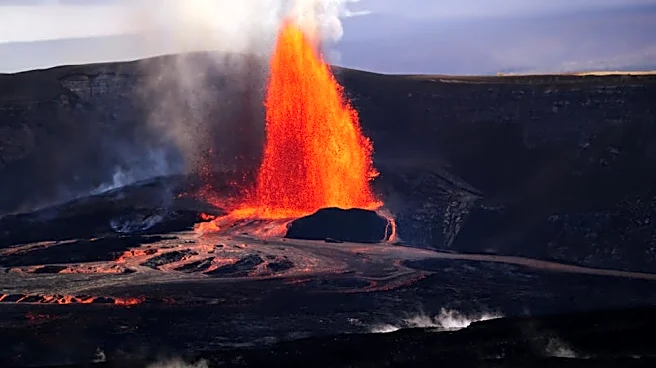
The potential for future eruptions exists, as Lassen Peak has a functioning magma chamber capable of producing lava flows, pyroclastic flows, and other volcanic phenomena. The California Volcano Observatory keeps a close watch on the area, ensuring that any signs of increased activity are detected early.