




Garudasana, commonly known as Eagle Pose, is a unique standing balancing posture in modern yoga. Its name is derived from the Sanskrit words 'garuda,' meaning eagle, and 'asana,' meaning posture or seat. This pose is not only a physical exercise but also carries a rich historical and mythological significance. Understanding the origins of Garudasana provides insight into its deeper meaning and the cultural context from which it emerged.
Mythological Significance
In Hindu mythology,
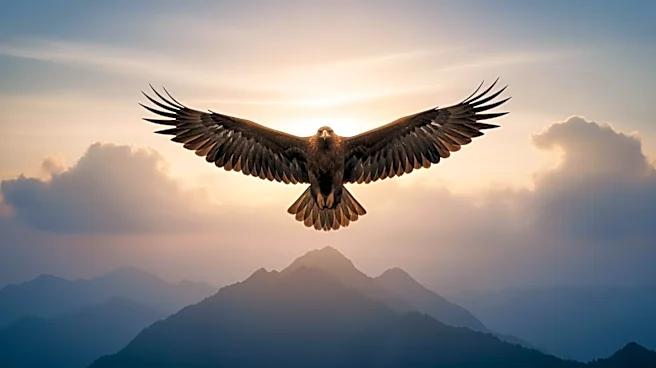
Garuda is revered as the king of birds. He is depicted as the vahana, or mount, of the god Vishnu. Garuda is known for his eagerness to assist humanity in their battles against demons. The name Garuda is often translated into English as 'eagle,' but it literally means 'devourer,' a reference to Garuda's association with the all-consuming fire of the sun's rays. This mythological background enriches the practice of Garudasana, as practitioners can embody the qualities of strength, focus, and protection that Garuda represents.
The connection between Garudasana and Garuda's mythological role highlights the pose's symbolic significance. Practicing this asana can be seen as a way to channel the energy and attributes of Garuda, fostering a sense of balance and concentration in the practitioner. This mythological context adds a layer of depth to the physical practice, inviting practitioners to explore the spiritual and symbolic dimensions of yoga.
Historical Development
Garudasana's history in yoga is intriguing, as the name was used in medieval hatha yoga for a different pose. The modern version of Garudasana, as practiced today, is a standing balancing pose that involves crossing one leg over the other and intertwining the arms. This posture is described in detail in the influential yoga text 'Light on Yoga.'
The evolution of Garudasana from its medieval roots to its current form reflects the dynamic nature of yoga as a practice. Over time, yoga has adapted and transformed, incorporating new interpretations and variations of traditional poses. Garudasana's journey from a medieval pose to a modern balancing asana exemplifies this ongoing evolution, highlighting the adaptability and resilience of yoga as a living tradition.
Symbolism and Practice
Garudasana is an asymmetric position that requires balance and concentration. The pose involves crossing one leg over the other while the opposite arm crosses over the other, with palms pressed together. This intricate intertwining of limbs resembles the eagle's beak, as noted by Satyananda Saraswati.
Practicing Garudasana can help build physical balance and mental focus. The pose encourages practitioners to direct their gaze at a fixed point, enhancing concentration and stability. This focus on balance and concentration aligns with the symbolic attributes of Garuda, reinforcing the pose's connection to its mythological roots.
In conclusion, Garudasana is more than just a physical exercise; it is a pose rich in historical and mythological significance. By understanding its origins and symbolism, practitioners can deepen their appreciation of this unique asana and its place within the broader context of yoga.