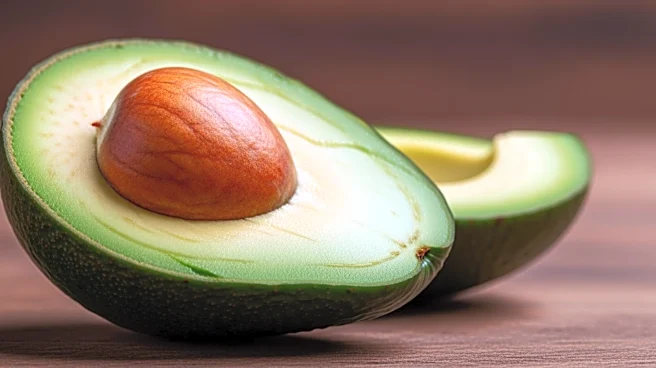



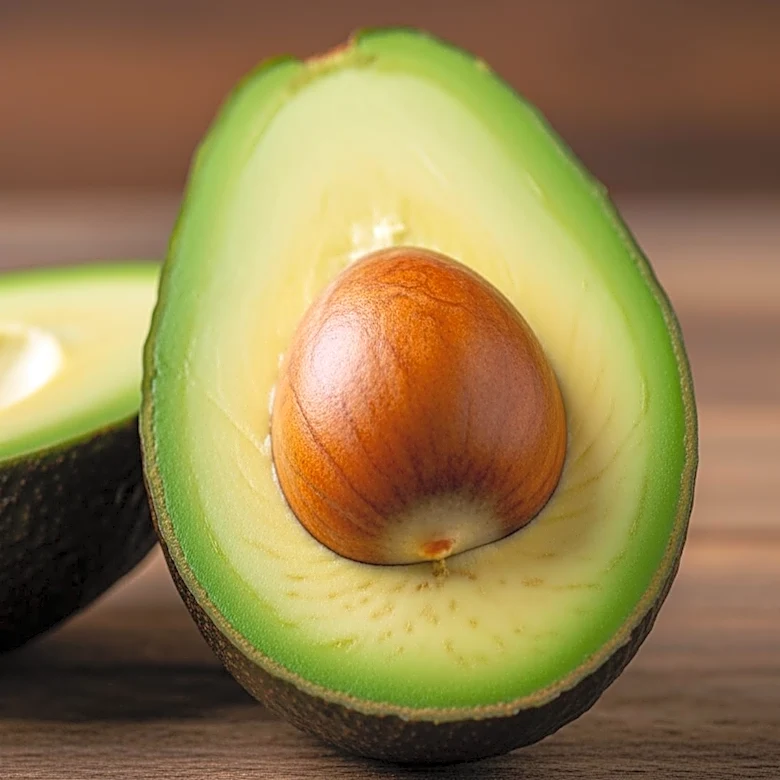



Avocados, known scientifically as Persea americana, have a rich history that spans thousands of years. Native to the Americas, this fruit has been a staple in various cultures long before it became a global phenomenon. The journey of avocado cultivation is a fascinating tale of human interaction, selective breeding, and adaptation to different climates.
Ancient Origins and Early Cultivation
The avocado tree is native to the Americas, with archaeological evidence suggesting that humans
have been consuming avocados for over 10,000 years. The oldest known avocado remains were discovered at Huaca Prieta in Peru, indicating that early inhabitants of the region valued the fruit for its nutritional benefits. This predates other evidence found in Mexico, where avocado pits were discovered in Coxcatlan Cave, dating back 9,000 to 10,000 years.
In Mesoamerica, three major domesticated avocado landraces developed: Guatemalan, Mexican, and West Indian. These landraces originated in distinct ecological regions, with the Guatemalan and Mexican varieties thriving in highland areas, while the West Indian variety was suited to lowland regions. The domestication process led to larger, fleshier fruits, a result of artificial selection by early cultivators.
Expansion and Global Cultivation
The avocado's journey from its native lands to global cultivation began in the 16th century. It was introduced to Spain in 1601 and gradually spread to other parts of the world, including Indonesia, Brazil, and the United States. By the late 19th century, avocados were being cultivated in South Africa and Australia, and by 1908, they reached the Ottoman Empire.
In the United States, avocados were first introduced to Florida and Hawaii in 1833, and later to California in 1856. The California Avocado Association played a significant role in popularizing the fruit, leading to widespread cultivation across the state. Today, California is a major producer of avocados, contributing significantly to the U.S. avocado industry.
Modern Challenges and Innovations
Despite its popularity, avocado cultivation faces several challenges. The water demands of avocado farms strain local resources, particularly in major production regions like Chile, Mexico, and California. Additionally, global warming poses a threat to suitable growing zones, with heat waves and droughts impacting production.
Innovations in breeding and propagation have helped mitigate some of these challenges. Grafting techniques ensure consistent fruit output, while advances in cloning increase the availability of rootstocks. These efforts aim to preserve the genetic diversity of avocados, ensuring their continued cultivation and enjoyment worldwide.