








Jurassic Park began as a 1990 science fiction novel by Michael Crichton, which quickly captured the imagination of readers with its thrilling tale of genetic engineering gone awry. The story's transition from page to screen was a significant milestone in cinematic history, leading to a blockbuster film franchise that continues to captivate audiences. This article explores the journey of Jurassic Park from its literary origins to its status as a cultural
phenomenon.
The Birth of a Novel
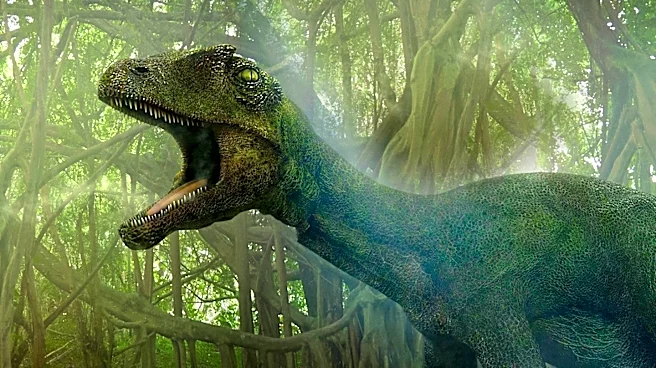
Michael Crichton, a master of blending science with fiction, penned Jurassic Park as a cautionary tale about the dangers of genetic engineering. The novel introduces readers to a world where dinosaurs are brought back to life through advanced cloning techniques, only for chaos to ensue when the creatures escape their confines. Crichton's narrative not only entertained but also introduced complex scientific concepts like chaos theory to a broad audience.
The novel's success was immediate, capturing the attention of filmmakers eager to bring its thrilling story to the big screen. Crichton's ability to weave scientific plausibility with gripping storytelling made Jurassic Park a prime candidate for adaptation, setting the stage for its cinematic debut.
Spielberg's Vision
Steven Spielberg, a director known for his ability to create awe-inspiring cinematic experiences, acquired the film rights to Jurassic Park before the novel was even published. Spielberg's vision for the film was to create a realistic portrayal of dinosaurs, using groundbreaking special effects to bring these ancient creatures to life. His collaboration with Industrial Light & Magic and Stan Winston's team resulted in a visual spectacle that set new standards for CGI and animatronics in film.
The 1993 film adaptation of Jurassic Park was a critical and commercial success, becoming the highest-grossing film of its time. Spielberg's direction, combined with John Williams' iconic score, created a cinematic experience that resonated with audiences worldwide, solidifying Jurassic Park's place in film history.
The Franchise Expands
Following the success of the first film, Jurassic Park evolved into a franchise with multiple sequels, each building on the themes and technological advancements of its predecessor. The franchise explored new narratives and introduced new characters, while maintaining the core elements that made the original film a success.
The sequels, including The Lost World: Jurassic Park and Jurassic Park III, continued to push the boundaries of special effects and storytelling. The franchise's revival with Jurassic World in 2015 brought a new generation of fans into the fold, proving the enduring appeal of Crichton's original concept.
Jurassic Park's journey from novel to film franchise is a testament to the power of storytelling and the impact of technological innovation in cinema. As the franchise continues to evolve, it remains a beloved part of popular culture, inspiring audiences with its thrilling tales of dinosaurs and human ambition.