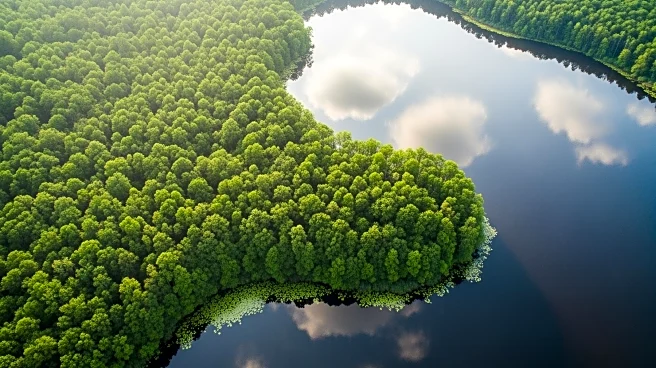




The World Network of Biosphere Reserves (WNBR) is a key component of the UNESCO Man and the Biosphere Programme (MAB), designed to promote a balanced relationship between people and nature. These reserves are internationally designated areas known for their high biological and cultural diversity. They serve as models for sustainable development, demonstrating how human activities can coexist with the natural environment. As of 2025, the network includes
784 biosphere reserves in 142 countries, highlighting its global reach and impact.
The Mission of the World Network of Biosphere Reserves
The mission of the WNBR is to foster the harmonious integration of people and nature through conservation and sustainable development. This is achieved through participatory dialogue, knowledge sharing, and the promotion of best practices. The network serves as a unique tool for international cooperation, allowing countries to exchange experiences and know-how in managing natural resources sustainably.
Biosphere reserves within the network are expected to fulfill three main functions: conservation, development, and logistic support. Conservation involves protecting biodiversity and maintaining ecosystems. Development focuses on fostering economic and human development that is socio-culturally and ecologically sustainable. Logistic support includes research, monitoring, education, and training activities that support the other two functions.
Criteria for Designation and Periodic Review
To be designated as a biosphere reserve, an area must meet specific criteria outlined in the Statutory Framework of the World Network of Biosphere Reserves. These criteria include encompassing a mosaic of ecological systems representative of major biogeographic regions and being significant for biological diversity conservation. The area should also provide opportunities to explore and demonstrate sustainable development approaches on a regional scale.
Biosphere reserves are subject to a periodic review every ten years to ensure they continue to meet the criteria. If a reserve no longer satisfies the requirements, the state concerned is encouraged to take measures to ensure conformity. If the reserve still does not meet the criteria within a reasonable period, it may be removed from the network.
The Impact of the World Network of Biosphere Reserves
The WNBR has a significant impact on global efforts to promote sustainable development and conservation. By providing a platform for testing and sharing innovative ideas, the network helps countries develop and implement effective strategies for managing natural resources. This includes addressing challenges such as climate change, poverty reduction, and improving human well-being.
The network also plays a crucial role in promoting respect for cultural values and improving society's ability to cope with environmental changes. By fostering international cooperation and dialogue, the WNBR helps build a global community committed to achieving a sustainable future.
In summary, the World Network of Biosphere Reserves is an essential component of the UNESCO Man and the Biosphere Programme. It demonstrates how sustainable development can be achieved in practice, providing a model for balancing human activity with environmental preservation.