



Hair care is not just about maintaining the appearance of your hair; it involves understanding the biological processes that occur beneath the scalp. This article delves into the science behind hair care, focusing on the living parts of hair and how they relate to overall hygiene and scalp health.
The Anatomy of Hair
Hair care involves more than just the visible hair shaft. The living parts of hair, including the hair follicle, hair root, root sheath, and sebaceous gland,
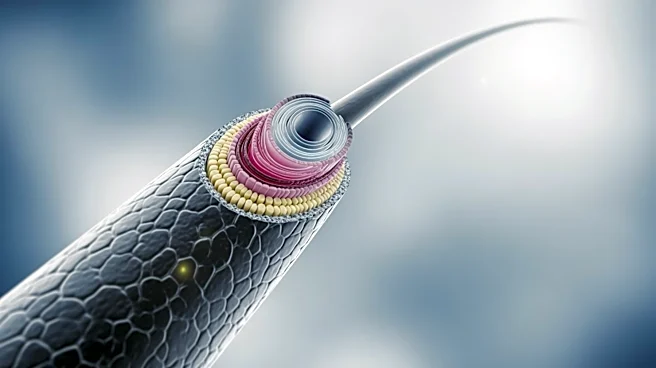
are located beneath the skin. These components play a crucial role in hair growth and health. The hair shaft, which emerges from the skin, is covered by the cuticle, cortex, and medulla, and does not have living processes. Damage to the visible hair shaft cannot be repaired biologically, but proper care can help maintain the integrity of the cuticle.
The sebaceous glands produce sebum, an oily substance composed primarily of fatty acids. Sebum protects hair and skin, inhibits microorganism growth, and contributes to the skin's slightly acidic pH. It provides moisture and shine to hair, preventing it from drying out or absorbing excessive external substances. However, excess sebum can cause blockage around hair follicles, potentially hindering hair production.
Scalp Health and Hygiene
Maintaining a healthy scalp is essential for healthy hair production. Regular cleaning of the scalp is necessary to remove excess sweat, oil, and unwanted products. While washing hair is often associated with removing dirt and oil, it is also crucial for cleaning the scalp skin. The scalp, like any other skin on the body, requires regular cleaning to ensure good hygiene.
Scalp disorders can arise from various factors, including bacterial infections and inexplicable conditions like dandruff. Head lice, a common hair and scalp ailment, thrive in clean hair, highlighting the importance of scalp hygiene. Sebum distribution down the hair shaft is facilitated by brushing and combing, but excess sebum can make hair appear oily and greasy.
Managing Hair Damage
Hair can be damaged by chemical exposure, prolonged heat exposure, and physical trauma. Split ends occur when the protective cuticle is stripped away, leading to longitudinal splitting of the hair fiber. Regular care, including proper washing, conditioning, and detangling, can help manage hair damage and maintain the cuticle's integrity.
Understanding the biological processes behind hair care is essential for maintaining healthy hair and scalp. By focusing on the living components of hair and ensuring proper hygiene, individuals can manage hair damage and promote overall hair health.