


The Joplin tornado of May 22, 2011, was a result of a complex interplay of meteorological conditions that created the perfect storm for disaster. As one of the deadliest tornadoes in U.S. history, understanding the weather patterns that led to its formation is crucial for future preparedness. This article examines the meteorological factors that contributed to the development of this catastrophic tornado.
Atmospheric Conditions Leading to the Tornado
On the day of the Joplin tornado, a strong
low-pressure system was centered over western South Dakota. This system, combined with steep lapse rates and high dewpoints, created an environment conducive to severe weather. The presence of a cold front and a dryline intersecting in Kansas further enhanced the potential for supercell development.
The National Weather Service had issued a moderate risk of severe weather for the Midwest, recognizing the potential for tornadoes, large hail, and strong winds. As the day progressed, the conditions became increasingly favorable for the formation of a significant tornado. The combination of these atmospheric elements set the stage for the devastating tornado that would later strike Joplin.
The Formation and Path of the Tornado
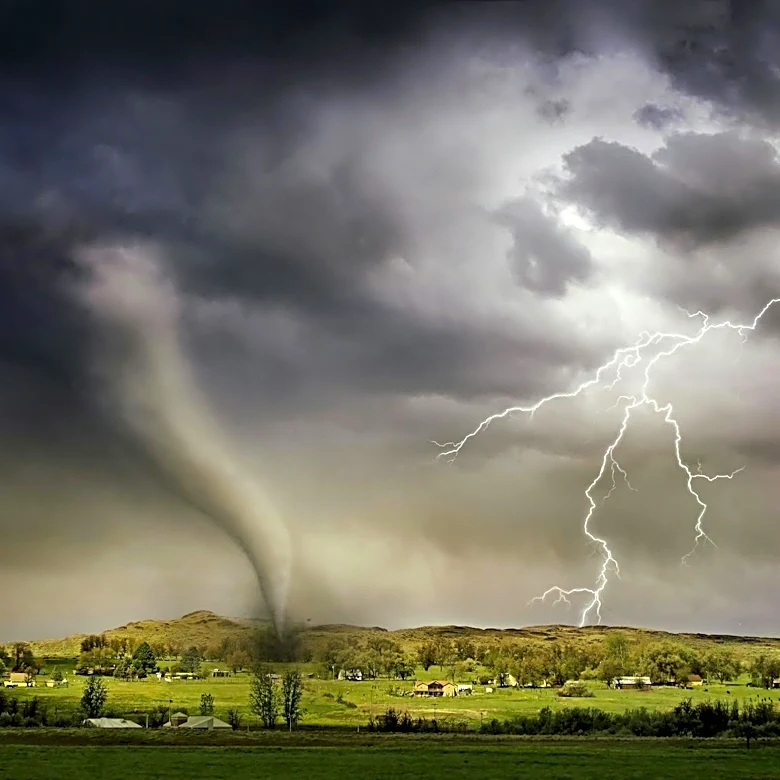
The tornado first touched down in Newton County, Missouri, at approximately 5:34 p.m. CDT. It quickly intensified as it moved towards Joplin, reaching EF5 intensity shortly after crossing S. Schifferdecker Avenue. The tornado's path was marked by its massive width, nearly one mile at its peak, and its ability to cause catastrophic damage.
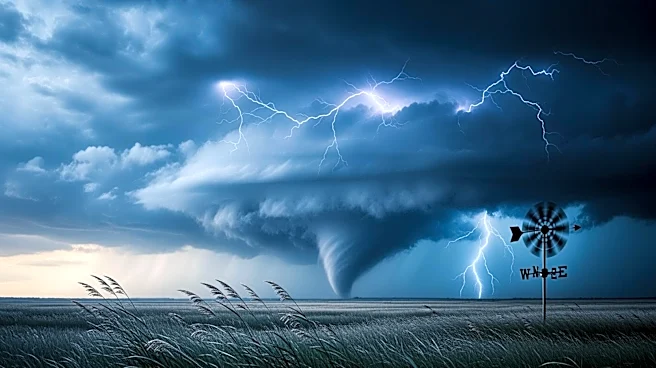
The tornado's formation was characterized by multiple vortices rotating around the parent circulation, a common feature in powerful tornadoes. As it moved through Joplin, the tornado maintained its intensity, causing widespread destruction and loss of life. The meteorological conditions that day were a stark reminder of the power and unpredictability of nature.
Lessons Learned and Future Preparedness
The Joplin tornado highlighted the importance of understanding meteorological conditions and their potential to lead to severe weather events. In the aftermath of the tornado, efforts were made to improve forecasting and warning systems to better prepare communities for future disasters.
Advancements in meteorological technology and increased awareness of weather patterns have been crucial in enhancing tornado preparedness. The lessons learned from the Joplin tornado have informed strategies for predicting and responding to severe weather, ensuring that communities are better equipped to handle such events in the future.
By studying the meteorological factors that contributed to the Joplin tornado, scientists and meteorologists continue to refine their understanding of tornado formation, ultimately working towards minimizing the impact of future tornadoes on communities across the country.