






Memorial Day, a significant U.S. holiday, has a rich history that dates back to the aftermath of the Civil War. Originally known as Decoration Day, it was established to honor Union soldiers who died during the war. Over time, the holiday evolved to commemorate all U.S. military personnel who died in service. This article delves into the historical journey of Memorial Day, highlighting key milestones and changes that shaped its current observance.
Origins and Early Observance
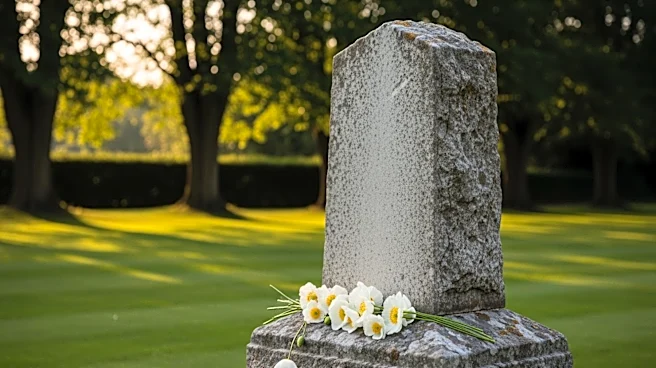
The first national observance of what would become Memorial Day occurred on May 30, 1868. Known then as Decoration Day, it was proclaimed by Commander-in-Chief John A. Logan of the Grand Army of the Republic to honor Union soldiers who had died in the American Civil War. This national observance followed the example of many local observances that began between the end of the Civil War and Logan's declaration. Various cities and individuals claimed to be the first to observe it, but the National Cemetery Administration credits Mary Ann Williams of the Ladies Memorial Association of Columbus, Georgia, with originating the idea of an annual date to decorate the graves of Civil War veterans with flowers.
Official recognition as a holiday spread among the states, beginning with New York in 1873. By 1890, every state had adopted it. The world wars expanded its scope to include all members of the U.S. military who fought and died in service.
Transition to Memorial Day
In 1968, Congress changed the observance to the last Monday in May, and in 1971 standardized its name as "Memorial Day." This change was part of the Uniform Monday Holiday Act, which aimed to create more three-day weekends for the nation's workers. The act moved Memorial Day from its traditional May 30 date to the last Monday in May, taking effect at the federal level in 1971.
The name "Memorial Day" gradually became more common than "Decoration Day" after World War II, but it was not declared the official name by federal law until 1967.
Modern Observance
Today, Memorial Day is a federal holiday observed on the last Monday of May. It serves as a time for visiting cemeteries and memorials to mourn the military personnel who died in the line of duty. Volunteers place American flags on the graves of those military personnel in national cemeteries. The holiday marks the unofficial start of summer, with many Americans participating in parades, barbecues, and other outdoor activities.
Memorial Day endures as a holiday that most businesses observe, reflecting its significance in American culture and history. It remains a day of remembrance, honoring the sacrifices made by U.S. military personnel throughout the nation's history.