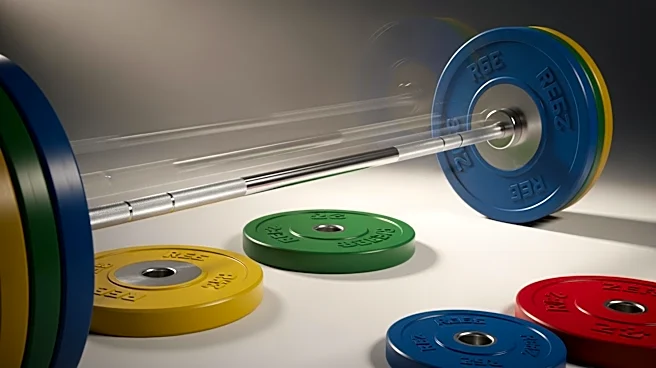






The snatch is a cornerstone of Olympic weightlifting, known for its technical demands and the athleticism required to perform it. Over the years, the technique and styles of the snatch have evolved, reflecting changes in training philosophies and competitive strategies. This article explores the historical development of the snatch, highlighting key changes and innovations that have shaped its current form.
Early Techniques and Styles
In the early days of Olympic weightlifting,
the split snatch was the dominant style. This technique involved the lifter splitting their legs to catch the barbell, a method that was widely used before World War II. German lifters were among the first to experiment with the squat snatch, a style that required greater precision and balance but allowed for heavier lifts by catching the bar at a lower height.
The squat snatch gradually gained popularity, thanks in part to lifters like Larry Barnholth, who refined the technique after observing German lifters. By the late 1930s, the squat snatch had become more stable and reliable, eventually surpassing the split snatch in popularity. This shift marked a significant evolution in the sport, as lifters began to favor techniques that allowed for greater weightlifting potential.
Modern Developments
Today, the full snatch, or squat snatch, is the most common style used in competition. This technique involves pulling the bar as high as possible and dropping into a squat to catch it overhead. The power snatch and muscle snatch are also practiced, primarily for training purposes, focusing on different aspects of the lift such as speed and strength.
The snatch has also seen changes in the rules governing its execution. Prior to 1964, no contact between the bar and the lifter's body was allowed during the pull. This changed with the introduction of the "thigh brush" in 1964, and later, the full-contact hip bump in 1969, which helped lifters generate more power and lift heavier weights.
Impact on Weightlifting
The evolution of the snatch has had a profound impact on the sport of weightlifting. As techniques have advanced, so too have the records and achievements of athletes. The snatch's development reflects broader trends in the sport, such as the emphasis on precision, power, and efficiency.
In conclusion, the snatch has undergone significant changes since its early days, evolving from the split snatch to the more efficient squat snatch. These developments have not only enhanced the performance of athletes but also contributed to the growth and popularity of Olympic weightlifting as a whole.