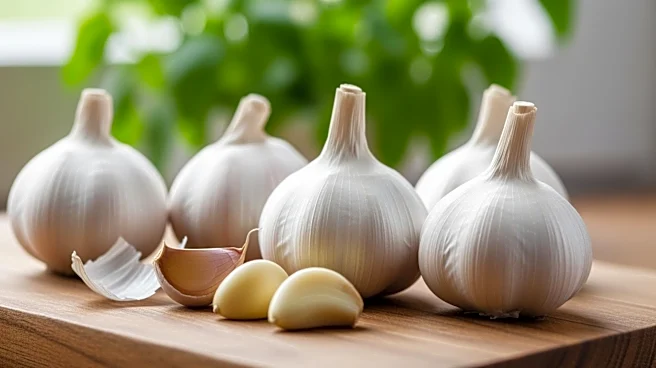

Garlic, known scientifically as Allium sativum, is a versatile plant that has been cherished for its culinary and medicinal properties for thousands of years. Native to Central Asia, garlic has spread
across the globe, becoming a staple in various cuisines and traditional medicine practices. Its pungent flavor and potential health benefits have made it a beloved ingredient in kitchens and apothecaries alike.
Garlic in the Kitchen
Garlic is a fundamental component in many cuisines around the world, particularly in the Mediterranean, Asian, and Middle Eastern regions. Its strong, spicy flavor is due to sulfur compounds, which are released when garlic is chopped or crushed. These compounds not only contribute to its distinctive taste but also to its aroma, which can be mellowed through cooking. Garlic is often used to enhance the flavor of meats, vegetables, and sauces, and is a key ingredient in dishes like hummus and toum, a Middle Eastern garlic sauce.
In addition to its use in savory dishes, garlic can be found in various forms, such as garlic powder and garlic salt, which provide a convenient way to add its flavor to foods. The plant's leaves and immature flower stalks, known as scapes, are also edible and used in cooking, offering a milder taste compared to the cloves.
Medicinal Properties of Garlic
Garlic has been used in traditional medicine for centuries, with ancient civilizations like the Egyptians and Romans recognizing its potential health benefits. It has been employed as a remedy for various ailments, although modern clinical evidence supporting these uses is limited. The sulfur compounds in garlic, particularly allicin, are believed to contribute to its medicinal properties, including potential antimicrobial and cardiovascular benefits.
Despite its long history in folk medicine, scientific studies have yet to conclusively prove the effectiveness of garlic in treating specific health conditions. However, its use as a natural remedy persists in many cultures, where it is often consumed raw or in supplement form to promote general health and well-being.
The Global Impact of Garlic
Garlic's influence extends beyond the kitchen and medicine cabinet. It plays a significant role in cultural traditions and folklore, often associated with protection and healing. In some cultures, garlic is believed to ward off evil spirits and is used in rituals and celebrations.
The global production of garlic is dominated by China, which accounts for a significant portion of the world's supply. This widespread cultivation ensures that garlic remains a readily available and affordable ingredient for people around the world, continuing its legacy as a culinary and medicinal staple.
In conclusion, garlic's dual role as a flavorful ingredient and a traditional remedy highlights its importance in both culinary and medicinal contexts. Its enduring popularity is a testament to its versatility and the rich cultural heritage it represents.