







The American Museum of Natural History (AMNH) in New York City is not only a popular destination for visitors but also a leading institution in scientific research. With a full-time scientific staff of 225 and over 120 special field expeditions each year, the museum plays a crucial role in advancing our understanding of the natural world. This article explores the AMNH's contributions to scientific research and discovery, highlighting its impact on various
fields of study.
Field Expeditions and Discoveries
The AMNH is renowned for its extensive field expeditions, which have been a cornerstone of its research efforts since the museum's early days. These expeditions have taken scientists to remote and diverse locations around the world, from the Gobi Desert to the rainforests of Madagascar. The goal of these expeditions is to collect specimens, gather data, and make new discoveries that contribute to our understanding of biodiversity and the history of life on Earth.
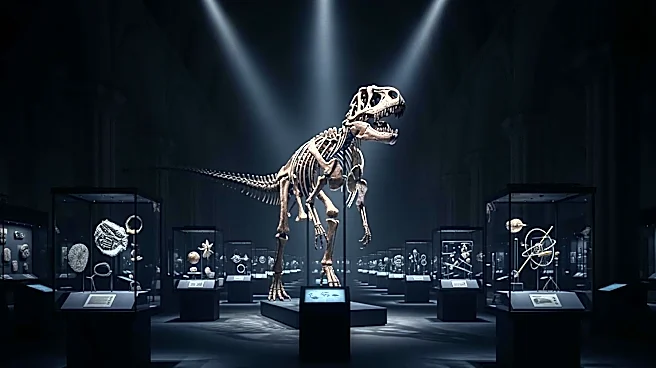
One of the most famous expeditions sponsored by the AMNH was the Central Asiatic Expeditions led by Roy Chapman Andrews in the 1920s. These expeditions resulted in the discovery of numerous dinosaur fossils, including the first-known nests of dinosaur eggs. Such findings have provided invaluable insights into the behavior and reproduction of these ancient creatures, significantly advancing the field of paleontology.
Contributions to Taxonomy and Systematics
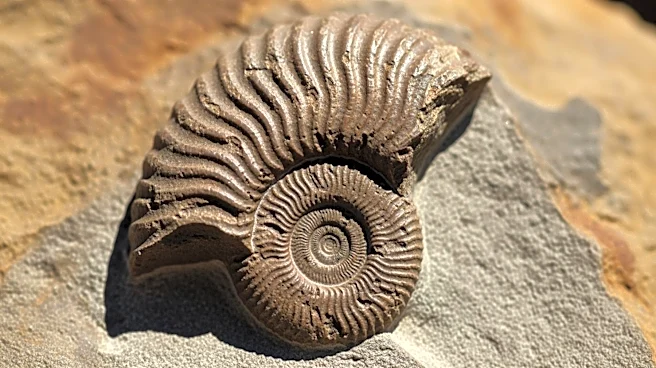
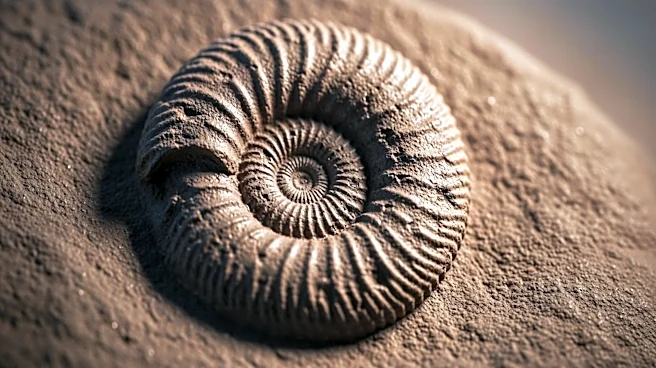
The AMNH's research efforts extend beyond field expeditions, with significant contributions to the fields of taxonomy and systematics. The museum's collections contain millions of specimens, representing a vast array of species from around the world. These collections serve as a critical resource for scientists studying the classification and evolutionary relationships of organisms.
The museum's researchers have described thousands of new species, contributing to our understanding of the diversity of life on Earth. By studying these specimens, scientists can uncover patterns of evolution, track changes in biodiversity over time, and identify new species that may be at risk of extinction. The AMNH's work in taxonomy and systematics is essential for informing conservation efforts and guiding policies to protect endangered species and their habitats.
Advancements in Astrophysics and Earth Sciences
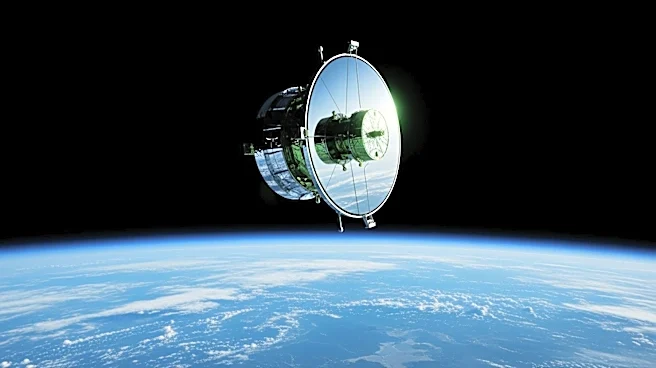
In addition to its contributions to the biological sciences, the AMNH is also a leader in the fields of astrophysics and Earth sciences. The museum's Rose Center for Earth and Space houses the Department of Astrophysics, where researchers study the origins and evolution of the universe. The Hayden Planetarium, part of the Rose Center, offers visitors a chance to explore the cosmos through immersive shows and exhibits.
The AMNH's research in Earth sciences focuses on understanding the processes that shape our planet, from plate tectonics to climate change. The museum's David S. and Ruth L. Gottesman Hall of Planet Earth provides a comprehensive overview of Earth's history, highlighting the dynamic forces that have shaped its surface and the delicate balance that sustains life. Through its research and exhibits, the AMNH contributes to our understanding of the Earth's past, present, and future, informing efforts to address environmental challenges and promote sustainability.
Conclusion
The American Museum of Natural History is a vital institution for scientific research and discovery. Through its field expeditions, contributions to taxonomy and systematics, and advancements in astrophysics and Earth sciences, the museum plays a crucial role in expanding our knowledge of the natural world. As the AMNH continues to innovate and explore new frontiers, it remains a leader in the scientific community, inspiring future generations of researchers and fostering a deeper appreciation for the wonders of the natural world.