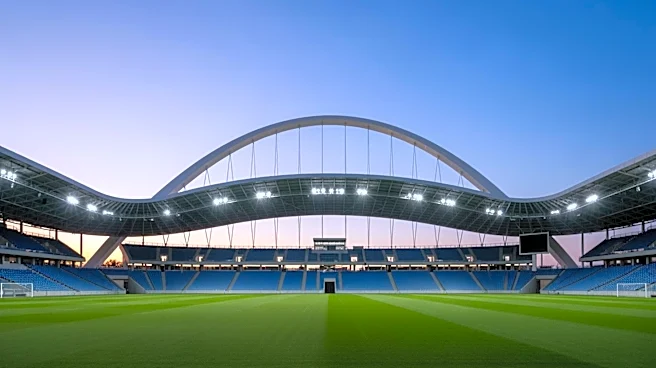

Nissan Stadium in Yokohama, Japan, is renowned for its role as a premier venue for international sports events. Since its opening in 1998, the stadium has hosted a variety of significant competitions,
attracting sports fans from around the world. Its design and facilities make it an ideal location for high-profile events, contributing to its reputation as a hub for international sports.
The 2002 FIFA World Cup
One of the most notable events hosted at Nissan Stadium was the 2002 FIFA World Cup. As one of the key venues for the tournament, the stadium held four matches, including the final between Brazil and Germany. This event was a milestone for the stadium, showcasing its capacity to host large-scale international competitions.
The World Cup brought global attention to Nissan Stadium, highlighting its state-of-the-art facilities and ability to accommodate thousands of spectators. The successful hosting of the World Cup final cemented the stadium's status as a world-class sports venue and set the stage for future international events.
Rugby World Cup and Beyond
In addition to soccer, Nissan Stadium has been a significant venue for rugby. It was selected as one of the host stadiums for the 2019 Rugby World Cup, including the final match where South Africa defeated England. This event further demonstrated the stadium's versatility and its capability to host different types of sports.
The stadium's design, which includes a 400-meter athletics track, allows it to host a variety of sports, from soccer and rugby to athletics. This versatility has made it a preferred choice for international sports federations looking to host major events in Japan.
Continued Legacy and Impact
Nissan Stadium's impact extends beyond the events it hosts. It serves as the home ground for the Yokohama F. Marinos, a team in Japan's top soccer league, the J-League. This connection to local sports helps maintain the stadium's relevance and ensures its continued use.
The stadium's role in international sports has also contributed to Yokohama's reputation as a city that embraces global events. By hosting competitions like the FIFA Club World Cup and the Tokyo 2021 Olympic soccer matches, Nissan Stadium has become a symbol of international cooperation and sportsmanship.
As Nissan Stadium continues to host major events, it remains a vital part of Japan's sports infrastructure. Its ability to attract international competitions not only boosts the local economy but also promotes cultural exchange and global sportsmanship.