





Egg cells are not only crucial in animal reproduction but also play a significant role in the reproductive processes of plants. These cells are part of the gametophyte generation in plants, contributing to the formation of seeds and the continuation of plant species. This article explores the role of egg cells in plant reproduction, focusing on their development, fertilization, and the formation of seeds.
Development of Egg Cells in Plants
In plants, egg cells are produced by the female
gametophyte, a structure that arises from the haploid generation. This gametophyte is responsible for producing gametes through mitosis. In seed plants, the female gametophyte is contained within a structure called the ovule. The ovule houses the egg cell, which is crucial for the plant's reproductive cycle.
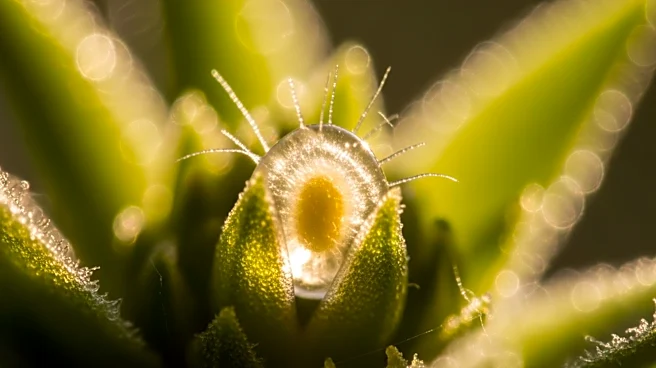
The development of egg cells in plants involves the formation of structures known as archegonia. These structures contain the egg cells and are essential for the fertilization process. In flowering plants, the female gametophyte is reduced to a few cells within the ovule, with one of these cells developing into the egg cell. This streamlined process ensures efficient reproduction and the formation of seeds.
Fertilization and Seed Formation
Fertilization in plants occurs when a pollen tube delivers sperm to the egg cell within the ovule. This process results in the fusion of the sperm and egg nuclei, forming a zygote. The zygote then develops into an embryo, which is a critical step in the formation of seeds.
The ovule, after fertilization, develops into a seed containing the embryo. This seed is capable of growing into a new plant, ensuring the continuation of the species. In many cases, the plant ovary develops into a fruit, which aids in the dispersal of seeds. This process highlights the importance of egg cells in plant reproduction, as they are central to the formation of seeds and the propagation of plant species.
The Role of Egg Cells in Plant Diversity
Egg cells in plants contribute to genetic diversity through the process of fertilization. The fusion of gametes from different parent plants results in offspring with varied genetic material. This diversity is crucial for the adaptation and survival of plant species in changing environments.
The role of egg cells in plant reproduction underscores the complexity and efficiency of plant life cycles. From their development within the gametophyte to their role in seed formation, egg cells are vital to the reproductive success and diversity of plants. Understanding these processes provides insight into the intricate mechanisms that sustain plant life on Earth.