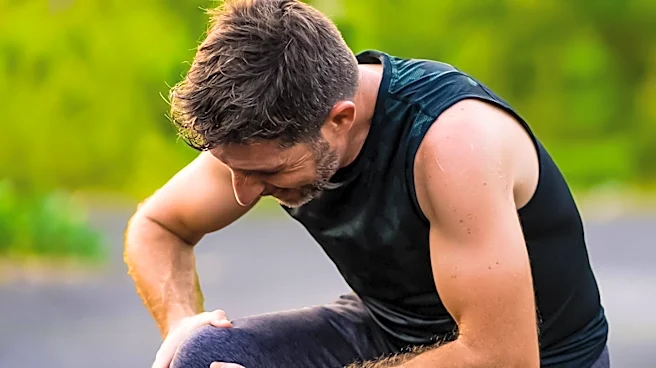









Muscle strains are common injuries that can cause significant discomfort and hinder daily activities. Fortunately, there are effective treatment strategies that can help alleviate symptoms and promote recovery. Understanding these methods is essential for anyone dealing with a muscle strain, whether acute or chronic.
Initial Treatment: The P.R.I.C.E. Method
The first step in treating a muscle strain is to follow the P.R.I.C.E. method, which stands for Protection, Rest, Ice, Compression, and Elevation.
This approach is designed to minimize further injury and promote healing. Protection involves applying soft padding to the injured area to prevent additional impact. Rest is crucial to allow the muscle to heal and reduce the risk of re-injury.
Ice should be applied to the affected area to induce vasoconstriction, which reduces blood flow and swelling. It is important to limit ice application to no more than 20 minutes at a time. Compression with a soft-wrapped bandage can help reduce swelling and promote lymphatic drainage. Elevating the injured area above the level of the heart can also aid in reducing swelling by promoting venous blood return.
Medications and Advanced Therapies
In addition to the P.R.I.C.E. method, medications such as non-steroidal anti-inflammatory drugs (NSAIDs) can be used to reduce inflammation and pain. However, it is important to avoid NSAIDs during the initial bleeding phase of the injury, as they can increase bleeding and swelling. Once bleeding has stopped, NSAIDs can be effective in managing pain and inflammation.
For more severe strains, advanced therapies such as platelet-rich plasma (PRP) injections may be considered. PRP injections have been shown to accelerate recovery from non-surgical muscular injuries by promoting tissue regeneration. Consulting a medical provider is recommended if the injury is accompanied by severe pain, inability to use the limb, or noticeable tenderness over an isolated spot.
Rehabilitation and Recovery
Rehabilitation is a critical component of recovery from a muscle strain. It involves gradually increasing the range of motion and strengthening the affected muscle. This process helps restore function and prevent future injuries. Physical therapy exercises tailored to the specific injury can aid in regaining strength and flexibility.
It is important to avoid prolonged immobilization, as it can lead to muscle atrophy and weakness. Instead, a balanced approach that includes rest, gradual activity, and targeted exercises is recommended. The goal of rehabilitation is to return to full daily activities while minimizing the risk of re-injury. With proper treatment and care, most individuals can recover fully from a muscle strain.