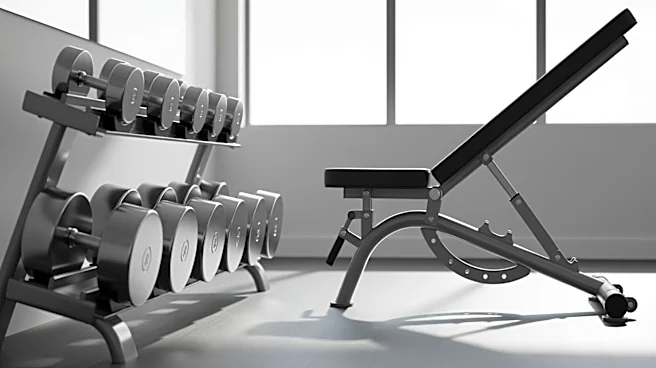










Creating a well-structured weight training routine is essential for achieving fitness goals and maximizing the benefits of exercise. A good routine should be tailored to individual needs and fitness levels, ensuring that all major muscle groups are targeted effectively. By following a systematic approach, individuals can enhance their strength, endurance, and overall physical fitness.
Structuring Your Routine
An effective weight training routine begins with a clear understanding
of fitness goals. Whether the aim is to build muscle mass, increase strength, or improve endurance, the routine should be designed accordingly. A typical routine includes a warm-up phase, targeted exercises, and a cool-down period. The warm-up phase is crucial for preparing the body for intense physical activity. It usually involves exercises that increase heart rate and activate major muscle groups.
Once warmed up, the focus shifts to targeted exercises. These exercises should be organized into sets and repetitions, with each set consisting of a specific number of repetitions. The number of sets and repetitions depends on the fitness goals. For muscle growth, higher weights with fewer repetitions are recommended, while for endurance, lighter weights with more repetitions are ideal. It's important to include exercises that target all major muscle groups, ensuring balanced muscle development.
Importance of Muscle Groups
Understanding the role of different muscle groups is vital for designing an effective routine. Exercises should target both agonist and antagonist muscles, as well as stabilizer muscles. Agonist muscles are the primary movers during an exercise, while antagonist muscles oppose the movement. Stabilizer muscles, such as the core, help maintain balance and support the body during exercises.
A well-rounded routine should include exercises for the chest, shoulders, triceps, back, biceps, legs, and core. For example, a weekly routine might involve working on the chest, shoulders, and triceps on one day, followed by back, biceps, and forearms on another day, and legs and core on a separate day. This division ensures that each muscle group gets adequate rest and recovery time between sessions.
Monitoring Progress and Adjustments
Monitoring progress is an essential part of any weight training routine. Keeping track of the number of sets, repetitions, and weights used can help in assessing improvements and making necessary adjustments. As strength and endurance increase, it's important to gradually increase the weights and intensity of exercises to continue challenging the muscles.
Adjustments to the routine should be made based on individual progress and changing fitness goals. It's also important to listen to the body and avoid overtraining, which can lead to injuries. By maintaining a balanced and adaptable routine, individuals can achieve their fitness goals and enjoy the numerous benefits of weight training.