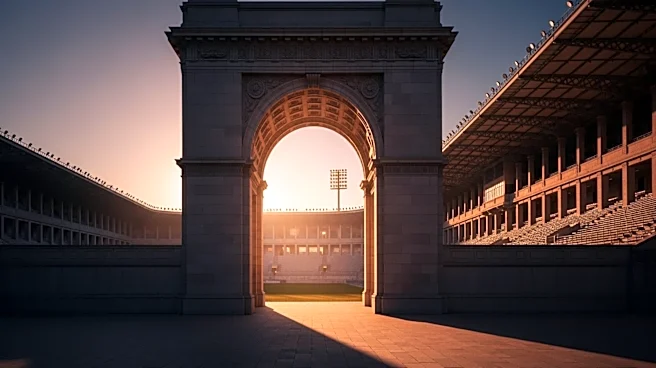

Estadio Centenario, located in Montevideo, Uruguay, is a stadium steeped in history and significance. Built between 1929 and 1930, it was constructed to host the inaugural 1930 FIFA World Cup. This stadium is not
only a symbol of Uruguay's rich football heritage but also a monument recognized by FIFA as a Historical Monument of World Football. This article delves into the historical milestones and significance of Estadio Centenario, highlighting its role in the development of international football.
The Birth of a Monument
The construction of Estadio Centenario marked a pivotal moment in the history of sports in South America. Built in a record time of nine months by immigrant workers, the stadium was named to commemorate the 100-year celebration of Uruguay's Constitution. Initially, it was intended to host all matches of the 1930 FIFA World Cup. However, due to heavy rains that delayed its construction, some matches had to be played in other venues. Despite these challenges, the stadium was inaugurated on July 18, 1930, with a match between Uruguay and Peru, which Uruguay won 1-0.
The final match of the 1930 World Cup, held at Estadio Centenario, saw Uruguay triumph over Argentina with a 4-2 victory. This event solidified the stadium's place in football history as the birthplace of the World Cup. Over the years, Estadio Centenario has hosted numerous significant tournaments, including the Copa América and the South American Youth Championships, further cementing its status as a cornerstone of international football.
A Venue for Historic Matches
Estadio Centenario has been the stage for many memorable matches, particularly involving the Uruguay national team. The stadium is known for its formidable atmosphere, where even top-ranked teams like Brazil have struggled to secure victories. Brazil has only managed three wins in 20 attempts at this venue, highlighting the challenging environment it presents to visiting teams.
In addition to hosting national team matches, the stadium has been a frequent venue for club matches, with teams like Peñarol and Nacional often renting it for their games. The stadium's grandstands, named in honor of Uruguay's Olympic victories, can accommodate thousands of spectators, making it a vibrant hub for football fans.
Renovations and Modern Events
In preparation for hosting the finals of the Copa Libertadores and Copa Sudamericana in 2021, Estadio Centenario underwent significant renovations. These updates included improvements to the grandstands, bathrooms, VIP boxes, and press areas, as well as a new illumination system and pitch. The renovations, costing $6 million, ensured that the stadium could continue to host major international events.
Looking to the future, Estadio Centenario is set to play a role in the 2030 FIFA World Cup, celebrating the centennial of the inaugural tournament. This enduring legacy underscores the stadium's importance not only to Uruguay but to the global football community as a whole.