


Antelope Canyon is not only a natural wonder but also a site of cultural and historical importance to the Navajo Nation. Located near Page, Arizona, this slot canyon is part of the Navajo Tribal Trust lands and holds deep significance for the Navajo people. The canyon's two sections, Upper and Lower Antelope Canyon, are known by their Navajo names, Tsé bighánílíní and Hazdistazí, respectively, reflecting the cultural heritage embedded in the landscape.
Navajo Names and Meanings
The Navajo names for the canyon sections offer insight into their cultural significance. Upper Antelope Canyon, Tsé bighánílíní, translates to "the place where water runs through rocks," highlighting the natural process that shaped the canyon. This name underscores the connection between the land and the Navajo people, who have lived in harmony with the environment for generations.
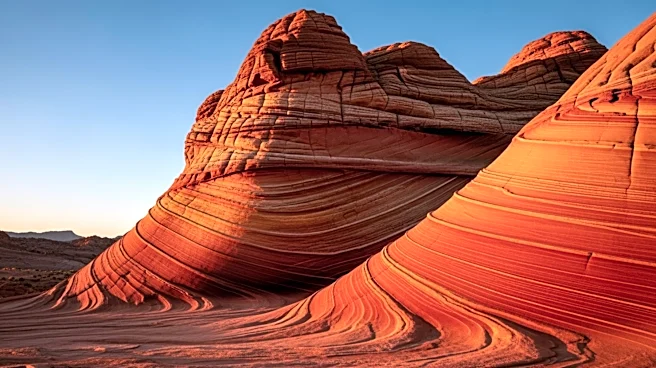
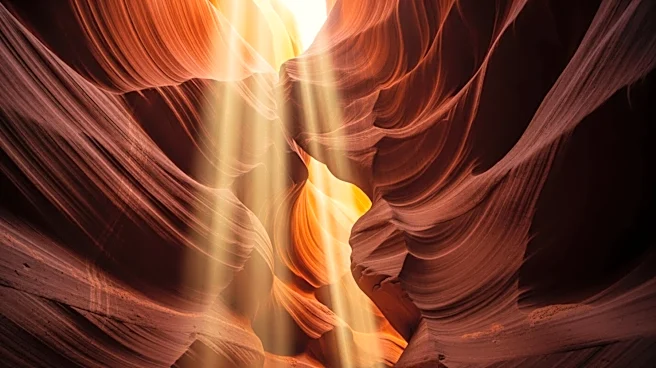
Lower Antelope Canyon, Hazdistazí, means "arches of spiral rock," describing the intricate formations found within. The canyon's name reflects the Navajo's appreciation for the beauty and complexity of the natural world. These names are more than mere labels; they are expressions of the Navajo's deep respect for the land and its features.
Historical Context
Antelope Canyon is part of the Lake Powell Navajo Tribal Park, which includes other culturally significant sites such as the Rainbow Bridge National Monument. The park is a testament to the Navajo's enduring presence in the region and their stewardship of the land. The canyon's history is intertwined with the Navajo's own, as they have inhabited the area for centuries.
The canyon's formation is a result of water erosion over thousands of years, creating the stunning slot canyons we see today. This natural process is a reminder of the Navajo's connection to the land and their understanding of its cycles. The canyon serves as a living history, showcasing the geological and cultural evolution of the region.
Guided Tours and Cultural Insights
Visitors to Antelope Canyon can only access the site through guided tours led by Navajo guides. These tours provide not only safety but also cultural insights into the canyon's significance. The guides share stories and knowledge passed down through generations, enriching the visitor experience.
The tours highlight the importance of respecting the land and understanding its cultural context. The Navajo guides offer a unique perspective, allowing visitors to appreciate the canyon beyond its physical beauty. This cultural exchange fosters a deeper connection between visitors and the Navajo people.
Antelope Canyon is more than a tourist destination; it is a cultural landmark that embodies the history and heritage of the Navajo Nation. Its beauty and significance continue to draw visitors from around the world, offering a glimpse into the rich tapestry of Navajo culture.