

Proofreading has long been an essential part of the publishing process, ensuring that texts are free from errors before they reach their audience. Over time, the methods and tools used in proofreading have evolved significantly. This article explores the differences between traditional and modern proofreading techniques, highlighting how technological advancements have transformed this critical task.
Traditional Proofreading Methods
In the past, proofreading was a manual process that
involved comparing galley proofs with original manuscripts. Proofreaders would meticulously check for transcription errors, marking corrections along the margins using standard proofreading marks. These marks, which included symbols and abbreviations, were a universal language among proofreaders, allowing them to communicate necessary changes to typesetters and editors.
Traditional proofreading required a keen eye for detail and a thorough understanding of the text. Proofreaders had to be familiar with the conventions of the language and the specific style guide of the publication. This method was labor-intensive and time-consuming, but it was essential for ensuring the accuracy and quality of printed materials.
The Shift to Digital Proofreading
With the rise of digital publishing, the process of proofreading has undergone significant changes. Today, most proofreading is done electronically, using digital documents rather than printed proofs. This shift has streamlined the process, allowing proofreaders to work more efficiently and effectively.
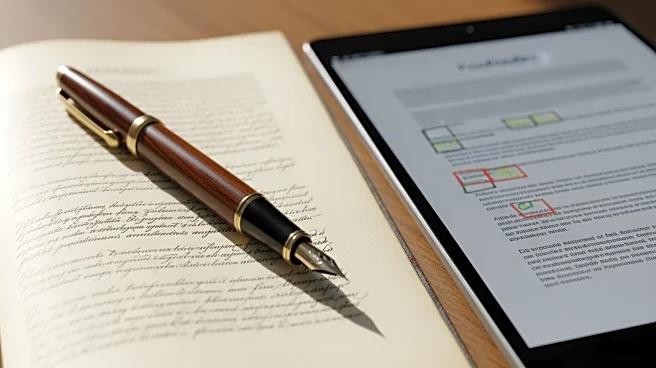
Digital proofreading tools have made it easier to identify and correct errors. Spell checkers and grammar checkers can catch many common mistakes, while digital markup tools allow proofreaders to make corrections directly on the document. Despite these advancements, the role of the proofreader remains crucial, as human oversight is necessary to catch errors that automated tools might miss.
The Continued Importance of Proofreading
Despite the changes in methods and tools, the importance of proofreading has not diminished. Whether using traditional or modern techniques, proofreaders play a vital role in ensuring the quality and accuracy of published works. Their work helps maintain the credibility of authors and publishers, ensuring that texts are free from errors and inconsistencies.
As publishing continues to evolve, the role of the proofreader will likely continue to adapt. However, the core purpose of proofreading—to ensure that texts are error-free and ready for publication—will remain unchanged. In both traditional and modern contexts, proofreading is an indispensable part of the publishing process.