
The 1936 NFL draft marked a pivotal moment in the history of American football. Held on February 8, 1936, at the Ritz-Carlton Hotel in Philadelphia, Pennsylvania, it was the first draft of its kind in the National
Football League (NFL). This event was designed to bring order to the chaotic process of player recruitment and to end the bidding wars that had plagued the league. The draft introduced a new system that would shape the future of the NFL, ensuring a more equitable distribution of talent among teams.
The Need for a Draft
Before the draft system was implemented, NFL teams engaged in fierce bidding wars to sign college players. This often resulted in wealthier teams securing the best talent, leaving others at a disadvantage. The introduction of the draft aimed to level the playing field by assigning negotiating rights to amateur players through an arbitrary process. The draft order was determined by the previous season's standings, with the last-place team receiving the first pick. This system was intended to promote competitive balance by allowing weaker teams the opportunity to improve their rosters with top college talent.
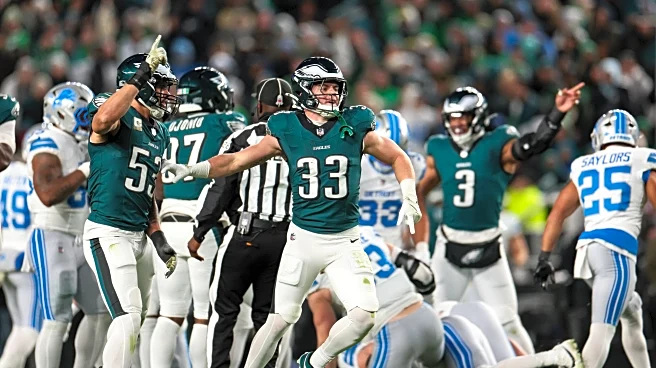
The Philadelphia Eagles, who finished the 1935 season with a 2-9 record, were awarded the first overall pick in the 1936 draft. This new approach was a significant departure from the previous free-for-all, where teams could sign any player they could afford. By instituting the draft, the NFL sought to create a more structured and fair method of player acquisition.
The First Draft and Its Challenges
The 1936 NFL draft consisted of nine rounds, with each team selecting nine players. The first player ever drafted was Jay Berwanger, a halfback from the University of Chicago and the inaugural Heisman Trophy winner. The Philadelphia Eagles selected Berwanger, but they quickly traded his rights to the Chicago Bears, as they were unable to meet his salary demands of $1,000 per game. Despite being the first overall pick, Berwanger never played in the NFL, choosing instead to pursue a career in rubber sales.
The draft faced several challenges in its early years. Many players, like Berwanger, opted not to play professionally, and only 24 of the 81 players selected in 1936 actually joined the NFL. The lack of scouting departments meant that teams relied on print media, college visits, and recommendations to compile their draft lists. Despite these hurdles, the draft laid the groundwork for a more organized and competitive league.
Legacy and Impact
The 1936 NFL draft set a precedent for future drafts, establishing a system that would evolve over the years. The draft's success in promoting competitive balance and reducing player salaries led to its continued use and refinement. Over time, the number of rounds increased, and teams began to develop scouting departments to better evaluate talent. The draft became a cornerstone of the NFL's operations, playing a crucial role in shaping team rosters and the league's overall competitiveness.
Today, the NFL draft is a highly anticipated event, drawing significant media attention and fan interest. It serves as a testament to the foresight of the league's early leaders, who recognized the need for a fair and structured approach to player recruitment. The 1936 draft was the beginning of a new era in professional football, one that continues to influence the game to this day.