



The 2025 papal conclave marked a significant moment in the history of the Catholic Church, as it led to the election of Pope Leo XIV. This conclave was held following the death of Pope Francis, and it was notable for its adherence to traditional procedures while also reflecting the evolving nature of the Church's leadership. The election process, which took place over two days, was a testament to the Church's commitment to maintaining its traditions
while embracing a more global perspective.
The Conclave Process
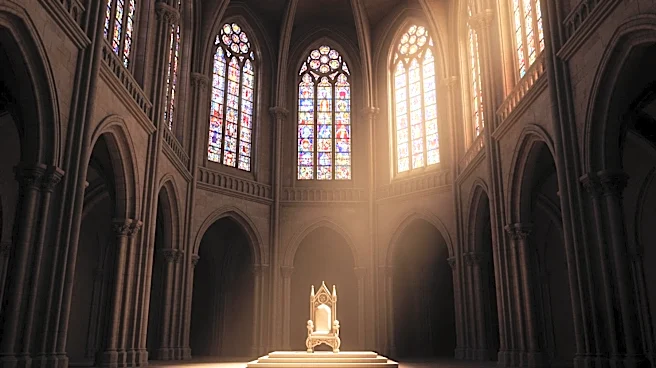
The conclave began on May 7, 2025, with 133 cardinal electors participating in the process. These electors represented a diverse array of regions, including Europe, North America, South America, Asia, Oceania, and Africa. The conclave was presided over by Pietro Parolin, the most senior elector under 80, due to the ineligibility of the dean and vice-dean of the College of Cardinals. The cardinals gathered in the Sistine Chapel, where they were isolated from external communications to ensure the integrity of the election.
The election process followed the guidelines set forth by previous apostolic constitutions, allowing the cardinals to convene at least 15 days after the papacy became vacant. The conclave was characterized by a series of ballots, with the cardinals casting their votes in a solemn and secretive manner. The ballots were counted and burned to signal the results to the outside world, with black smoke indicating an unsuccessful vote and white smoke announcing the election of a new pope.
The Election of Pope Leo XIV
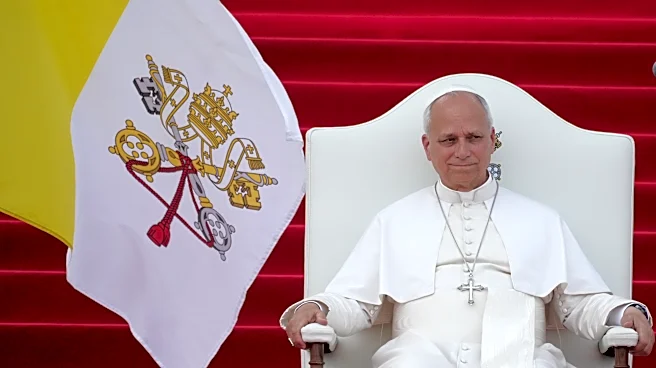
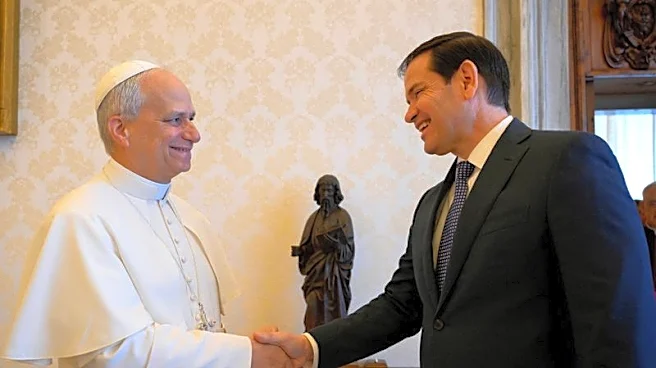
On the second day of the conclave, Cardinal Robert Francis Prevost was elected as the new pope, taking the name Leo XIV. Prevost, who was the prefect of the Dicastery for Bishops and president of the Pontifical Commission for Latin America, emerged as a consensus candidate after several rounds of voting. His election was seen as a compromise that balanced the diverse interests within the College of Cardinals.
The election of Leo XIV was significant for several reasons. It continued the trend of selecting popes from a global pool, as Prevost was born in the United States and had served in Peru. His election also reflected the Church's ongoing efforts to address internal affairs and focus on its global mission. Leo XIV's acceptance of the papal name was a nod to Pope Leo XIII, symbolizing a connection to the Church's past while looking forward to its future.
Post-Election Events
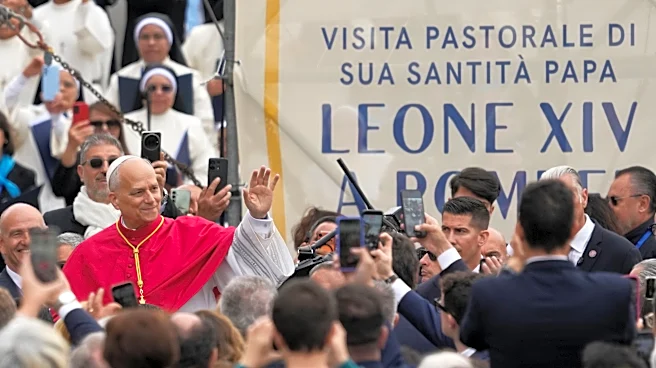
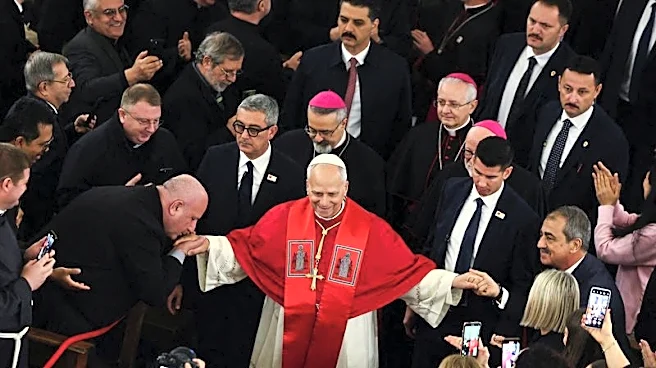
Following his election, Pope Leo XIV participated in a series of liturgical celebrations and meetings with the College of Cardinals. He celebrated his first Mass as pope in the Sistine Chapel and delivered his first Regina caeli address from the central loggia of St. Peter's Basilica. These events marked the beginning of his papacy and set the tone for his leadership.
The election of Pope Leo XIV in 2025 was a pivotal moment for the Catholic Church, highlighting the balance between tradition and modernity. As the Church continues to navigate the challenges of the contemporary world, the 2025 conclave serves as a reminder of its enduring commitment to its foundational principles and its ability to adapt to changing times.