




Honda's VTEC system is a marvel of engineering that has significantly influenced automotive technology. Known for its ability to enhance engine performance and efficiency, VTEC stands out due to its unique mechanical design. This article delves into the mechanics of VTEC, explaining how it functions and the components that make it work.
The Core Mechanism
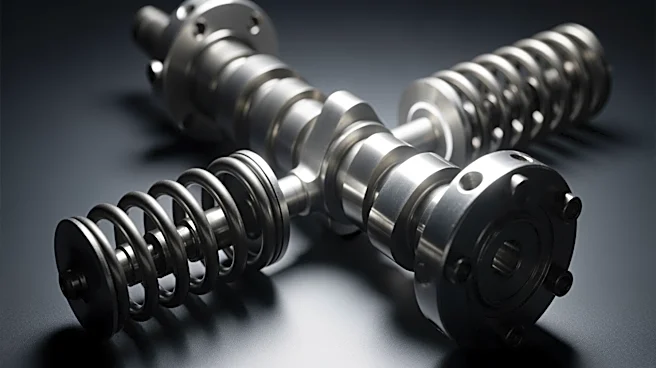
At the heart of VTEC is its ability to switch between different camshaft profiles. This system uses two or sometimes
three camshaft profiles, allowing the engine to optimize valve timing and lift for both low and high-speed operations. The transition between these profiles is controlled hydraulically, a feature that distinguishes VTEC from other variable valve timing systems.
The process begins with the engine's ECU, which monitors various parameters such as engine oil pressure, temperature, vehicle speed, and throttle position. When specific conditions are met, the ECU activates a solenoid that directs pressurized oil into a locking pin. This pin connects the high-rpm rocker arm to the low-rpm ones, allowing the valves to follow the high-lift camshaft profile. This switch enhances the engine's performance by opening the valves further and for a longer duration.
Variations and Adaptations
VTEC technology has been adapted to different engine configurations, including both DOHC (dual overhead camshaft) and SOHC (single overhead camshaft) systems. In DOHC engines, VTEC can be applied to both intake and exhaust valves, maximizing performance. However, in SOHC engines, VTEC is typically limited to the intake valves due to space constraints.
The SOHC VTEC system uses a third center rocker arm and cam lobe for each intake and exhaust side. This design allows for the modification of valve timing and lift on the intake side, enhancing combustion efficiency and fuel economy. In some advanced SOHC engines, VTEC is applied to both intake and exhaust valves, using a total of six cam lobes and rocker arms per cylinder.
Advanced Implementations
Honda has continued to refine VTEC technology, introducing systems like i-VTEC, which combines VTEC with Variable Timing Control (VTC). This system allows for continuous camshaft phasing, optimizing engine performance across a broader range of speeds and loads. The i-VTEC system is a testament to Honda's commitment to innovation, providing a balance between power and efficiency.
Overall, the mechanics of VTEC demonstrate Honda's engineering excellence, offering a system that adapts to various driving conditions while maintaining optimal performance. This adaptability has made VTEC a staple in Honda's engine lineup, influencing automotive design and technology worldwide.