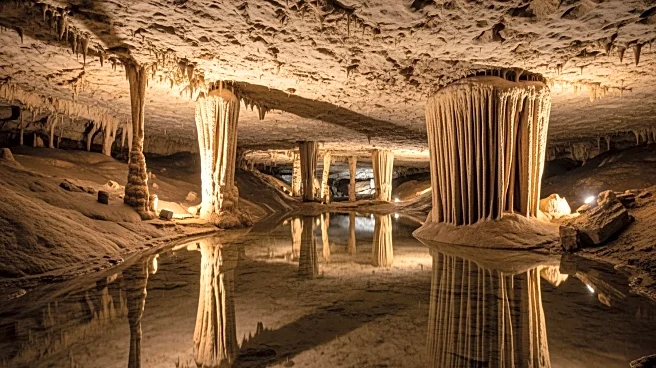



Mammoth Cave National Park is not only home to the world's longest cave system but also a diverse array of natural features and ecosystems. Spanning over 52,000 acres, the park offers a unique blend of geological formations, rich biodiversity, and scenic landscapes. This article explores the natural wonders that make Mammoth Cave a treasure trove of ecological and geological marvels.
The Cave System: A Geological Marvel
At the heart of Mammoth Cave National Park lies its extensive cave
system, known for its intricate network of passageways. The cave has been formed over millions of years through the dissolution of limestone by acidic groundwater. This process has created a labyrinth of tunnels, chambers, and unique formations.
The cave's geology is characterized by its thick limestone layers, capped by a protective sandstone layer. This combination has resulted in a stable cave environment, with dry upper passages and areas rich in formations like stalactites and stalagmites. The park's ongoing exploration efforts continue to reveal new passages, adding to the cave's already impressive length.
Biodiversity and Ecosystems
Beyond the cave, Mammoth Cave National Park is home to a diverse range of ecosystems. The park's surface features a mix of forests, rivers, and wetlands, providing habitats for a variety of plant and animal species. The Green and Nolin rivers flow through the park, supporting aquatic life and contributing to the region's biodiversity.
The park is also home to several species of bats, including the Indiana bat and the gray bat, which inhabit the cave's dark recesses. Other cave-dwelling species include the Kentucky cave shrimp, cave crickets, and eyeless cavefish, all adapted to the unique cave environment. The park's surface ecosystems support a range of wildlife, from deer and foxes to a variety of bird species.
Conservation and Research
Mammoth Cave National Park is a site of ongoing conservation and research efforts. The park's unique ecosystems and geological features make it an important area for scientific study. Researchers continue to explore the cave's depths, uncovering new passages and studying the cave's geology and biology.
Conservation efforts focus on preserving the park's natural beauty and biodiversity. The park's designation as a World Heritage Site and Biosphere Reserve underscores its global significance and the importance of protecting its unique ecosystems. Visitors to Mammoth Cave can experience its natural wonders firsthand, from guided cave tours to hiking trails that showcase the park's diverse landscapes.





