
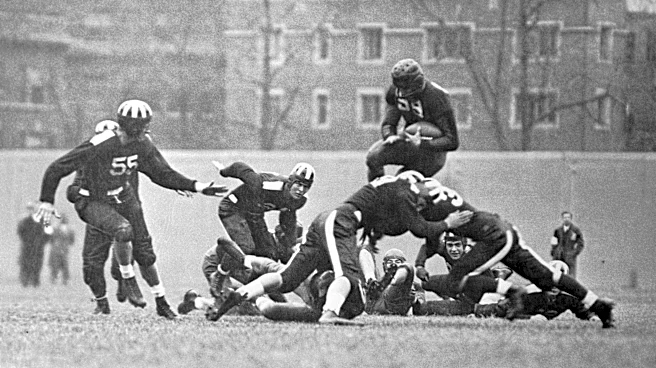


The 1991 NFL season was a year of significant milestones and changes, marking the 72nd regular season of the National Football League. It was a season that saw the Washington Redskins emerge victorious in Super Bowl XXVI, defeating the Buffalo Bills at the Metrodome in Minnesota. This victory was part of a series of notable events and changes that defined the season, including coaching transitions, player retirements, and rule modifications.
Super Bowl XXVI and the Redskins' Triumph
The highlight
of the 1991 NFL season was undoubtedly Super Bowl XXVI, where the Washington Redskins defeated the Buffalo Bills with a score of 37-24. This victory was a significant achievement for the Redskins, showcasing their dominance and strategic prowess on the field. The game was held at the Metrodome in Minnesota, providing a fitting stage for the culmination of the season.
The Redskins' triumph was a testament to their strong performance throughout the season, as they finished with a 14-2 record. Their victory in the Super Bowl was a result of effective teamwork and leadership, solidifying their place as one of the top teams in the league. For the Buffalo Bills, this loss marked the second of four consecutive Super Bowl defeats, highlighting the challenges they faced despite their strong regular-season performance.
Coaching Changes and Player Retirements
The 1991 NFL season was also notable for several coaching changes and player retirements. It marked the final season for coach Chuck Noll, who had been a significant figure in the league. Noll's departure was a momentous occasion, as he had contributed greatly to the success of his team over the years.
In addition to coaching changes, the season saw the retirement of Mike Webster, a four-time Super Bowl champion. Webster announced his retirement on March 11, 1991, after a remarkable 17-year career with 245 games played at center. His retirement was a significant moment, as it marked the end of an era for one of the league's most respected players.
Rule Modifications and Their Implications
The 1991 NFL season was characterized by several rule modifications aimed at improving the game's safety and fairness. These changes included adjustments to the definition of a drop kick, field goal, and punt, which could only be attempted from behind the line of scrimmage. Additionally, the "in the grasp" rule was modified to declare the play dead as soon as the passer was clearly in the grasp and control of a tackler behind the line.
These rule changes were essential in adapting to the evolving dynamics of the NFL, where the speed and complexity of the game demanded precise and consistent officiating. The modifications reflected the league's commitment to player welfare and competitive balance, ensuring that the NFL remained a fair and safe environment for all participants.
The 1991 NFL season was a year of milestones and changes, shaping the future of the league and setting the stage for continued growth and development. From the Redskins' Super Bowl victory to the retirement of key players and the implementation of new rules, the season was a pivotal moment in NFL history.