




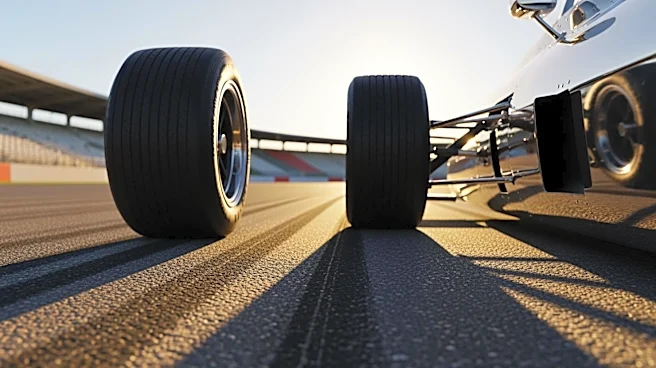
The 1988 Indianapolis 500 marked a significant turning point in the history of the race, particularly in terms of engine performance. Chevrolet engines, specifically the Chevrolet Indy V-8, played a pivotal role in the outcome of the race, sweeping the top three positions and setting the stage for a new era of dominance. This article explores the impact of Chevrolet engines on the 1988 race and their lasting influence on the sport.
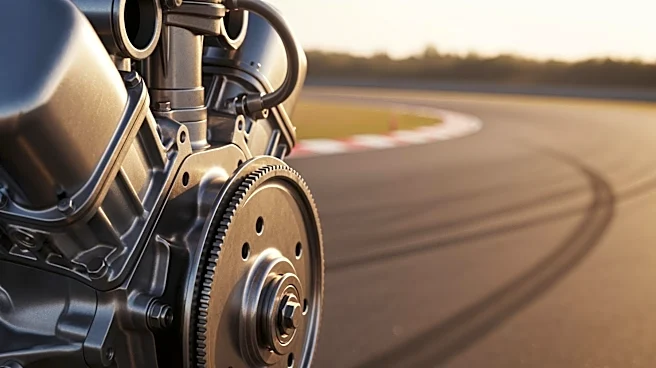
The Rise of the Chevrolet Indy V-8 Engine
The 1988 Indianapolis
500 was the first of six consecutive wins for the Chevrolet Indy V-8 engine, a testament to its superior performance and reliability. Constructed by Ilmor, the engine quickly established itself as the best powerplant on the circuit, winning 14 of the 15 races in the 1988 CART PPG Indy Car World Series.
Chevrolet-powered cars dominated the starting grid at the 1988 race, occupying the first five positions. This dominance was a clear indication of the engine's capabilities and set the tone for the race. The success of the Chevrolet Indy V-8 engine in 1988 was a significant milestone, as it marked the beginning of a new era in IndyCar racing, where Chevrolet engines would become a dominant force.
Impact on the Race and Beyond
The performance of the Chevrolet engines in the 1988 Indianapolis 500 had a profound impact on the race itself. Rick Mears, driving a Chevrolet-powered car for Team Penske, secured the pole position and went on to win the race, leading 192 of the 200 laps. This victory was a testament to the engine's power and reliability, as well as the strategic prowess of the Penske team.
The success of Chevrolet engines in 1988 also had a lasting influence on the sport. The engine's dominance in the series led to increased interest and investment in Chevrolet-powered cars, as teams sought to replicate the success of the Penske team. This shift in focus contributed to the continued evolution of IndyCar racing, as teams and manufacturers pushed the boundaries of technology and performance.
Legacy of the 1988 Race
The 1988 Indianapolis 500 is remembered as a turning point in the history of the race, largely due to the impact of Chevrolet engines. The success of the Chevrolet Indy V-8 engine in 1988 set the stage for a new era of competition, where engine performance became a critical factor in determining the outcome of races.
The legacy of the 1988 race continues to be felt in the world of IndyCar racing, as teams and manufacturers strive to achieve the same level of success and dominance demonstrated by Chevrolet engines. The 1988 Indianapolis 500 remains a landmark event in the history of the sport, highlighting the importance of technological innovation and strategic planning in achieving victory.