
Hair care is not just about aesthetics; it involves a deep understanding of the biological processes that keep our hair and scalp healthy. This article delves into the science behind hair care, focusing
on the intricate relationship between hair and scalp health. By understanding these processes, we can better manage our hair care routines to maintain healthy, vibrant hair.
The Biology of Hair
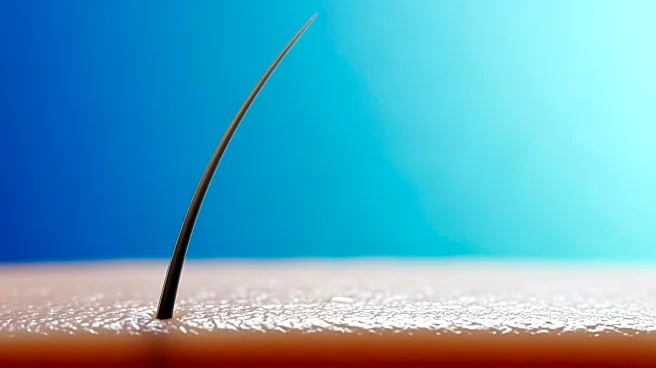
Hair is more than just a cosmetic feature; it is a complex structure that grows from follicles located beneath the skin. The living parts of hair, including the hair follicle, root, and sebaceous gland, are all situated below the skin's surface. The visible part of the hair, known as the hair shaft, is composed of dead cells and cannot repair itself through biological processes. This means that any damage to the hair shaft must be managed through external care, such as conditioning and protective styling.
The scalp, like any other skin on the body, requires regular cleaning to remain healthy. A clean scalp supports healthy hair production, but over-washing can lead to hair loss, especially for those with rough hair or hair-fall issues. It's important to strike a balance in scalp hygiene to prevent bacterial infections and other scalp disorders.
The Role of Sebum in Hair Health
Sebum, an oily substance produced by the sebaceous glands, plays a crucial role in hair health. It protects the hair and skin by inhibiting the growth of microorganisms and maintaining the skin's natural pH balance. Sebum travels down the hair shaft, providing moisture and shine, and acts as a barrier against external substances that could damage the hair.
However, excessive sebum can lead to oily hair and scalp issues. It can cause blockages around hair follicles, potentially hindering hair growth. Regular brushing and combing help distribute sebum evenly along the hair shaft, preventing buildup at the roots.
Hair Cleaning and Conditioning
Washing hair is essential for removing excess sweat, oil, and product buildup. Shampoos, which are specialized surfactants, break the surface tension of water, allowing it to penetrate the hair shaft and remove dirt and grease. Sulfate-free shampoos are recommended for color-treated hair, as they are less harsh and help preserve natural oils and hair dye.
Conditioners complement shampoos by improving the hair's texture and manageability. They reduce friction between hair strands, making it easier to brush or comb without causing damage. Different types of conditioners, such as leave-in and rinse-out, cater to various hair needs, ensuring that hair remains healthy and vibrant.
Understanding the science behind hair care allows us to make informed decisions about our hair care routines. By focusing on the health of both the hair and scalp, we can maintain beautiful, healthy hair that reflects our overall well-being.