
The Extended Side Angle Pose, known in Sanskrit as Utthita Parshvakonasana, is a staple in modern yoga practice. This pose, characterized by its wide stance and extended arms, is a part of the standing asanas that have become popular in yoga routines. First described in 20th-century texts, the pose is a testament to the evolution of yoga as a form of exercise and meditation.
The Basics of Utthita Parshvakonasana
Utthita Parshvakonasana begins with the practitioner standing in the Mountain
Pose, a foundational stance in yoga. From there, one steps out to the right, turning the right foot in the same direction and placing it firmly on the ground. The left hand is then brought around in a sweeping motion until it points diagonally upwards at a 45-degree angle. This movement is accompanied by a tilt to the right, with the right arm extending straight down.
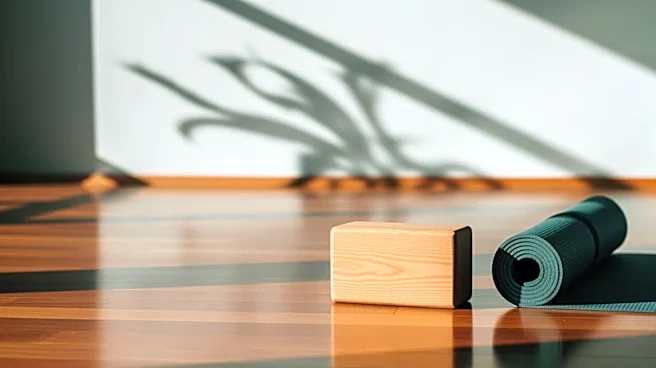
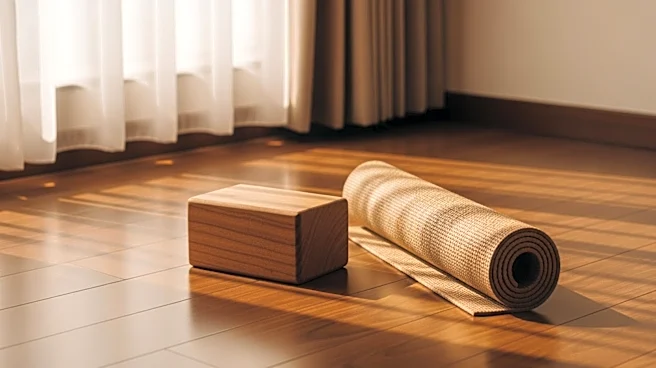
The pose requires the right hand to rest on a block or the ground, while the gaze is directed upwards along the left arm. This alignment not only stretches the body but also encourages focus and balance. Practitioners are advised to maintain the pose for several breaths before repeating the sequence on the opposite side.
Integration with Other Yoga Poses
The Extended Side Angle Pose is often practiced in conjunction with other standing poses, such as Warrior I, II, and III. These poses complement each other by building strength and flexibility in the legs and core. The transition between these poses helps in developing a fluid yoga practice that enhances physical endurance and mental concentration.
Incorporating Utthita Parshvakonasana into a yoga routine can provide a comprehensive workout that targets multiple muscle groups. The pose's emphasis on alignment and extension makes it a valuable addition to any yoga sequence, promoting overall body awareness and stability.
Benefits and Challenges
Practicing Utthita Parshvakonasana offers numerous benefits, including improved balance, increased flexibility, and enhanced focus. The pose stretches the sides of the body, opens the hips, and strengthens the legs, making it an effective exercise for those looking to improve their physical fitness.
However, the pose can be challenging for beginners due to the required balance and flexibility. It is important for practitioners to listen to their bodies and use props, such as blocks, to support the pose if needed. With regular practice, the challenges of Utthita Parshvakonasana can be overcome, leading to a more rewarding yoga experience.