
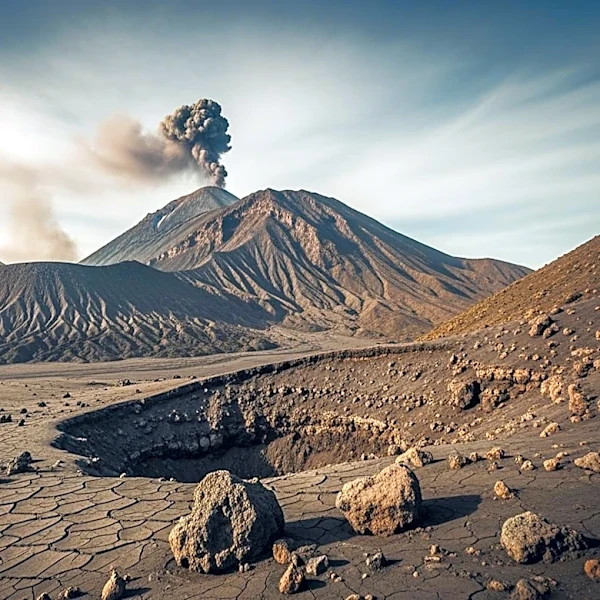


Kobuk Valley National Park, located in the Arctic region of northwestern Alaska, is a place of striking geographical features and a unique climate. Established in 1980, the park covers an area of 1,750,716 acres and is known for its Great Kobuk Sand Dunes, the Kobuk River, and the surrounding mountain ranges. The park's climate and geography create a diverse ecosystem that supports a variety of wildlife and plant species.
The Geography of Kobuk Valley
The park is situated about
25 miles north of the Arctic Circle and is part of a larger ecosystem that includes the Selawik National Wildlife Refuge and the Noatak National Preserve. The park's landscape is dominated by the broad wetlands valley of the Kobuk River, which runs along the southern edge of the western Brooks Range, known as the Baird Mountains.
The park's boundary is defined by the height-of-land of the Baird Mountains to the north and the Waring Mountains to the south, forming a natural ring that encloses the Kobuk Valley. The middle two-thirds of the Kobuk River, along with several major tributaries such as the Salmon River and the Hunt River, are included within the park. The valley floor is primarily covered by glacial drift, a testament to the region's glacial history.
The Great Kobuk Sand Dunes
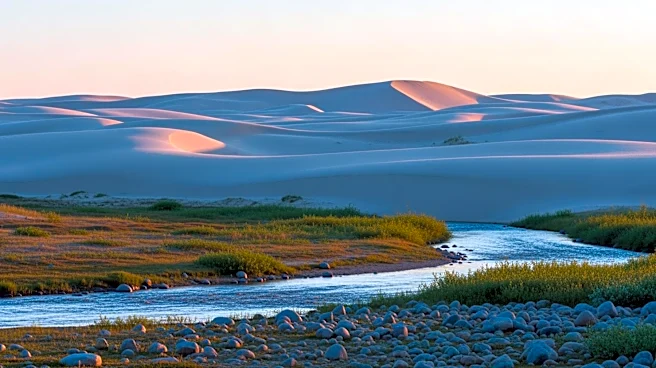
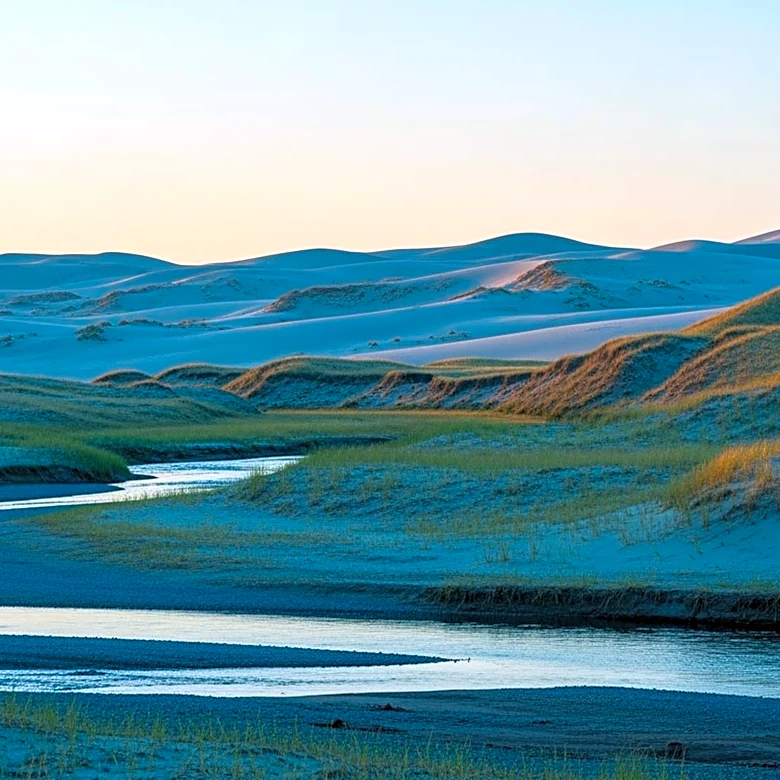
One of the most remarkable features of Kobuk Valley National Park is the Great Kobuk Sand Dunes. These dunes, along with the Little Kobuk Sand Dunes and the Hunt River Dunes, are remnants of a larger dune field that once covered the area following the retreat of Pleistocene glaciers. Today, the active dune fields cover about 20,500 acres, making them the largest active Arctic dune field in North America.
The formation of these dunes is a result of outwash deposits from glaciers combined with strong winds. Over time, the dunes have become mostly covered by forest and tundra, but they remain a fascinating natural feature. The Great Kobuk Sand Dunes have even attracted the attention of NASA, which has funded studies of the dunes as an analog for Martian polar dunes.
The Climate of Kobuk Valley
Kobuk Valley National Park experiences a subarctic climate, characterized by cool summers and year-round precipitation. The park's weather is subject to extremes, with average low temperatures in January reaching -8 °F and summer temperatures averaging around 65 °F. The park's location above the Arctic Circle means that the sun does not set from June 3 to July 9, while in winter, the sun is visible for only a short period each day.
The park's climate and geography create a unique environment that supports a diverse array of wildlife and plant species. The transition zone between boreal forest and tundra provides a habitat for species such as caribou, moose, and various fish species, making Kobuk Valley National Park a vital part of Alaska's natural heritage.