

Dual-clutch transmissions (DCTs) are a marvel of modern automotive engineering, offering a unique blend of performance and efficiency. Unlike traditional automatic transmissions, DCTs use two separate clutches to manage odd and even gear sets, allowing for seamless gear changes. This article delves into the mechanics and design of DCTs, explaining how they function and what makes them stand out in the automotive world.
The Dual-Clutch Design
At the heart of a DCT is its
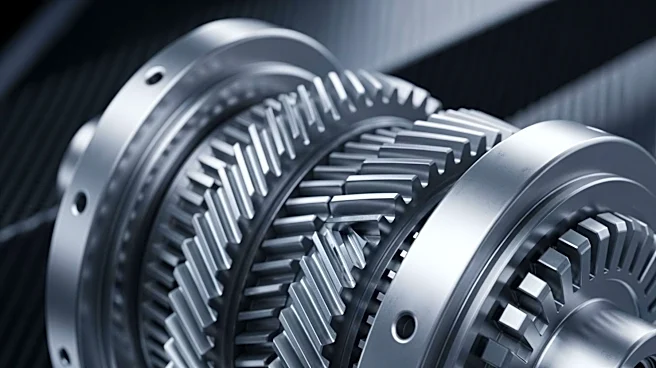
dual-clutch system, which is designed to handle odd and even gear sets separately. This setup is akin to having two manual transmissions working in tandem within a single housing. One clutch is responsible for the even-numbered gears, while the other manages the odd-numbered gears. This arrangement allows the DCT to pre-select the next gear, enabling faster and smoother shifts compared to traditional manual transmissions.
The clutches in a DCT can be either wet or dry. Wet clutches are bathed in oil, providing cooling and making them suitable for applications with higher torque loads. Dry clutches, on the other hand, are lighter and simpler but may not handle high torque as effectively. The choice between wet and dry clutches depends on the specific requirements of the vehicle and its intended use.
How DCTs Operate
The operation of a DCT is a sophisticated dance of precision and timing. As the vehicle moves, one clutch engages the current gear while the other pre-selects the next gear. When it's time to shift, the DCT disengages the current gear and engages the pre-selected gear almost instantaneously. This process eliminates the interruption of torque to the wheels, providing a smooth and continuous power delivery.
The electronic control unit (ECU) plays a crucial role in managing the DCT's operations. It monitors various parameters, such as engine speed and throttle position, to determine the optimal timing for gear changes. This level of control ensures that the DCT operates efficiently, maximizing both performance and fuel economy.
Advantages and Applications
DCTs offer several advantages over traditional transmission systems. Their ability to provide quick and smooth gear changes enhances vehicle performance, making them ideal for high-performance sports cars. Additionally, the improved fuel efficiency of DCTs makes them an attractive option for everyday vehicles, where reducing fuel consumption is a priority.
The versatility of DCTs has led to their adoption in a wide range of vehicles, from motorcycles to trucks. As technology continues to evolve, DCTs are expected to become even more prevalent, offering drivers an unparalleled driving experience. Understanding the mechanics of dual-clutch transmissions provides insight into why they are becoming a preferred choice in the automotive industry.