


Desalination, the process of removing salt from seawater to produce fresh water, has a rich history that spans centuries. From ancient methods to cutting-edge technologies, desalination has evolved significantly to meet the growing demand for fresh water. This article explores the historical development of desalination, highlighting key milestones and technological advancements that have shaped its evolution.
Early Desalination Techniques
The concept of desalination dates back
to ancient times. Greek philosopher Aristotle observed that saltwater, when evaporated, becomes sweet, and this principle laid the foundation for early desalination methods. Ancient mariners and explorers, such as Sir Richard Hawkins, utilized shipboard distillation to convert seawater into potable water during long voyages. These early techniques were rudimentary but essential for survival at sea.
In the 16th century, the first recorded land-based desalination plant was constructed on an island off the coast of Tunisia. This plant, built under emergency conditions, provided fresh water to a besieged Spanish garrison. Although details of the device are scarce, it marked a significant step in the development of desalination technology. The 17th century saw the first patents for desalination apparatus, although these inventions faced challenges in scaling up for practical use.
Industrial Advancements and the Age of Steam
The Industrial Revolution brought significant advancements in desalination technology. The development of steam engines and thermodynamics knowledge led to the creation of more efficient distillation systems. In the 19th century, Alphonse René le Mire de Normandy patented a vertical tube seawater distilling unit, which gained popularity for shipboard use. Land-based units followed, providing fresh water to remote areas and military installations.
The 20th century saw further innovations, with the introduction of multi-stage flash distillation (MSF) and multi-effect distillation (MED) technologies. These methods improved the efficiency of desalination processes, making them more viable for large-scale applications. The establishment of the Office of Saline Water in the United States in 1955 further accelerated research and development in desalination.
Modern Innovations and Future Prospects
Today, reverse osmosis (RO) is the leading desalination technology, accounting for a significant portion of global desalination capacity. RO uses semipermeable membranes to separate salt from water, offering a more energy-efficient alternative to traditional thermal methods. Recent advancements in membrane technology, such as graphene-based membranes, have further improved the efficiency and cost-effectiveness of RO systems.
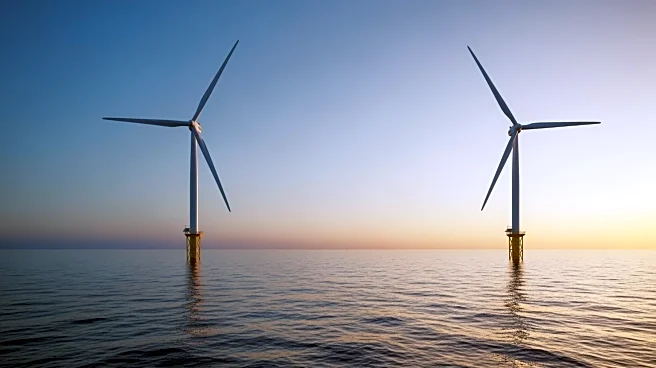
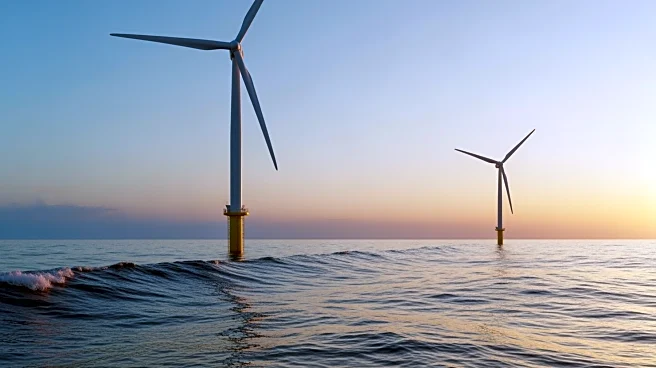
The integration of renewable energy sources, such as solar and wind power, into desalination processes is another promising development. These innovations aim to reduce the environmental impact and energy consumption of desalination, making it a more sustainable solution for water-scarce regions. As technology continues to advance, desalination is poised to play a crucial role in addressing global water challenges.