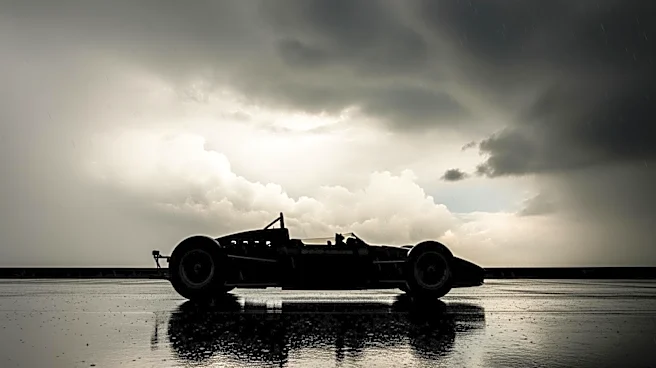






The 1915 Indianapolis 500 was not just a test of speed and endurance for the drivers and their machines, but also a battle against the elements. Originally scheduled for May 29, the race was postponed due to heavy rains that flooded the grounds and made access roads impassable. This decision to delay the race until May 31 highlights the challenges faced by early 20th-century race organizers and the impact of weather on motorsport events.
The Decision to Postpone
The Indianapolis
500 was traditionally held on May 30, but in 1915, this date fell on a Sunday. Race organizers, adhering to a policy of not racing on Sundays, initially scheduled the event for Saturday, May 29. However, the days leading up to the race were marked by heavy rainfall, which left the track and surrounding areas waterlogged. The conditions were so severe that some roads leading to the track were impassable, prompting officials to postpone the race to allow the grounds to dry out.
This decision was not taken lightly, as it involved logistical challenges and potential financial implications. The postponement required coordination with teams, drivers, and spectators, many of whom had traveled significant distances to attend the event. Despite these challenges, the decision to delay the race was ultimately made in the interest of safety and ensuring a fair competition.
The Impact on Attendance and Atmosphere
The postponement of the race to Monday, May 31, had a noticeable impact on attendance and the overall atmosphere of the event. An estimated 60,000 spectators attended the race, a significant number given the circumstances. The delay may have affected the plans of some fans, but the large turnout demonstrated the enduring appeal of the Indianapolis 500.
The atmosphere on race day was likely charged with anticipation, as fans who had waited through the weekend finally got to see the competition unfold. The delay also provided an unexpected opportunity for Ralph DePalma, the eventual winner, to engage with fans. On the original race day, DePalma entertained approximately 2,000 fans who showed up unaware of the postponement with a tire-changing exhibition, showcasing his skills and dedication to the sport.
A Historic Victory
Despite the challenges posed by the weather, the 1915 Indianapolis 500 was a memorable event, culminating in a historic victory for Ralph DePalma. After a disappointing loss in 1912, DePalma returned to the Indianapolis Motor Speedway determined to claim victory. Driving a Mercedes 4.5 liter GP, he led 132 laps of the race, demonstrating both skill and endurance.
DePalma's triumph was not just a personal victory but also a testament to the resilience of the drivers, teams, and organizers who overcame the obstacles presented by the weather. The 1915 race remains a significant chapter in the history of the Indianapolis 500, illustrating the unpredictable nature of motorsport and the determination required to succeed.