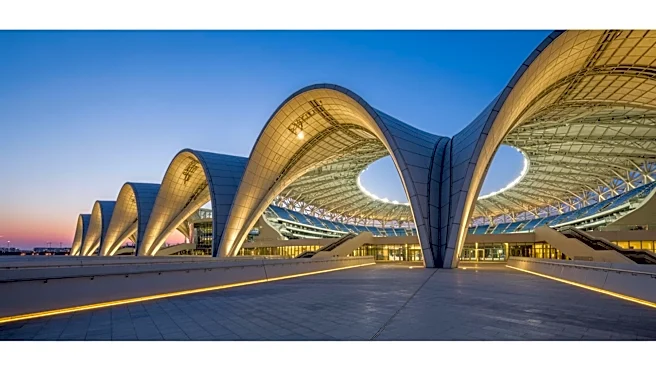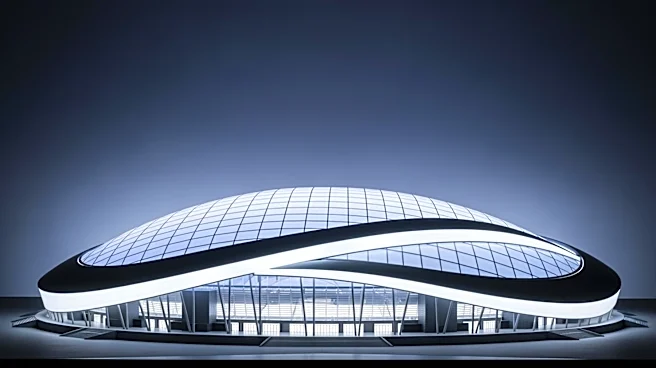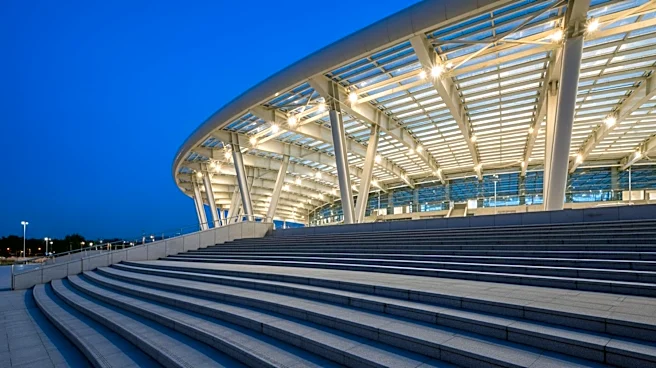





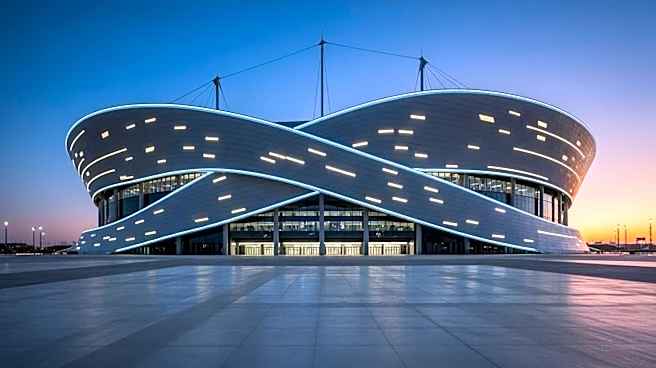


Royal Bafokeng Stadium, located in Phokeng, South Africa, has undergone significant changes since its inception. Originally built to serve as a multi-purpose sports venue, it has grown in both capacity and importance over the years. This article explores the stadium's development from its early days to its current status as a prominent sports venue.
Early Construction and Opening
The construction of Royal Bafokeng Stadium began in 1995, with the aim of creating a venue that could
host a variety of sports, including football, rugby, and athletics. The stadium was completed between 1996 and 1998 and officially opened in 1999. Managed by the Royal Bafokeng Nation, it quickly became a central hub for sports in the region.
Initially, the stadium had a capacity of 38,000, which was suitable for local events and matches. It served as the home stadium for the Premier Soccer League club Platinum Stars and hosted large attendance matches for the Leopards rugby team during the Currie Cup.
Expansion for International Events
In preparation for the 2010 FIFA World Cup, Royal Bafokeng Stadium underwent significant renovations and expansions. The capacity was increased to 44,530 to accommodate the influx of international fans and teams. The main west stand was upgraded and enlarged, featuring a new cantilever roof to enhance the viewing experience.
Additional improvements included the installation of new electronic scoreboards, upgraded floodlights, and a modern public address system. These enhancements were completed in March 2009, just in time for the stadium to host four matches of the 2009 FIFA Confederations Cup, further solidifying its status as a world-class venue.
Continued Use and Cultural Significance
Beyond the World Cup, Royal Bafokeng Stadium has continued to play a vital role in South Africa's sports and cultural landscape. It was one of the host venues for the 2013 Africa Cup of Nations, showcasing its ability to host major international events.
In 2019, the stadium hosted the "Fill Up Royal Bafokeng" concert by South African star Cassper Nyovest, drawing a crowd of over 40,000. This event highlighted the stadium's versatility and its importance as a cultural venue in addition to its sports functions.
Royal Bafokeng Stadium's evolution from a regional sports venue to an internationally recognized stadium reflects its adaptability and significance in South Africa's sporting and cultural history. Its continued use for both sports and entertainment ensures that it remains a vital part of the community.